
The upheaval in the Argentine episcopate continued last Friday with the removal of an auxiliary bishop of Córdoba from his offices weeks before Pope Leo XIV is scheduled to visit the city.
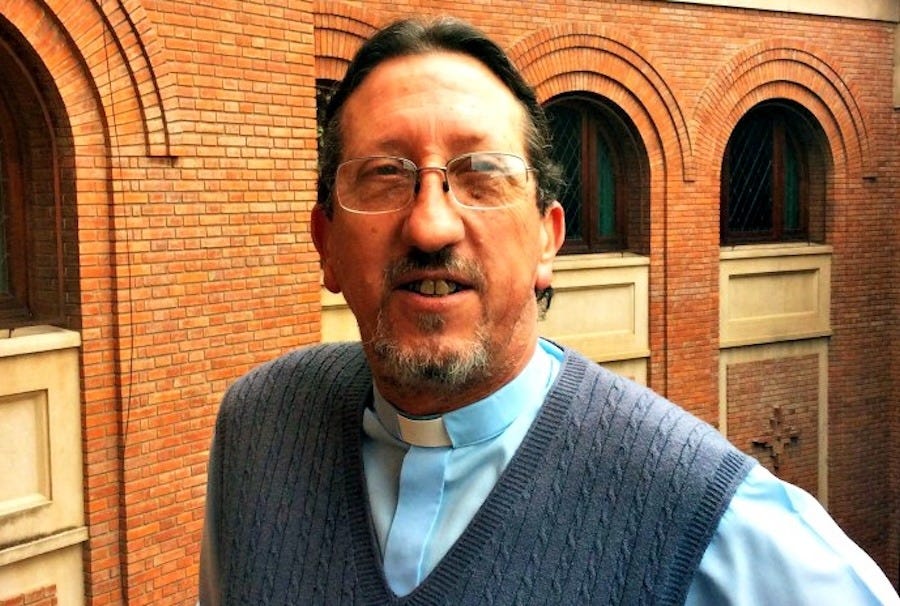
The Archdiocese of Córdoba announced Oct. 2 that Bishop Ricardo Seirutti had been removed from his offices as auxiliary bishop and vicar general following a canonical judicial process ordered by the Dicastery for the Doctrine of the Faith and conducted by the Interdiocesan Tribunal of Buenos Aires.
“The case was initiated following complaints filed by two adults who alleged that he had engaged in conduct unbecoming to his episcopal office,” said the archdiocese, which is preparing to host Pope Leo Nov. 10.
The archdiocese did not specify the nature of the allegations against the bishop and Seirutti does not appear to have addressed them publicly. The Dicastery for the Doctrine of the Faith’s involvement in the case does suggest the accusations must be of the most severe variety, however. The DDF is involved in penal matters reserved to its competence by canon law. These include crimes against the faith and sacraments, and the clerical sexual abuse of minors.
The Córdoba archdiocese, which is Argentina’s second-largest by Catholic population, said the judicial process ended in recent weeks with a ruling depriving Seirutti of his offices and banning him from receiving new appointments or hearing confessions for five years, except where a penitent is in danger of death.
Seirutti, who was appointed as an auxiliary by Pope Francis in 2015, retains the faculty to celebrate Mass and administer other sacraments except confession.
The Holy See press office’s daily Bollettino had made no mention of the 70-year-old’s removal from office as of Oct. 6.
For the best experience, open in a new window.
Seirutti is the latest in a series of Argentine bishops who have left office before the typical retirement age of 75 since the election of the Argentina-born Pope Francis in 2013. But the circumstances of the departures have varied considerably.
In 2015, Bishop Oscar Sarlinga of Zárate-Campana resigned at the age of 52, amid reports of clashes with Pope Francis, especially over financial matters.
In 2017, Bishop Gustavo Óscar Zanchetta of Orán resigned at the age of 53, citing health reasons. He was jailed in 2022 after a court found him guilty of aggravated sexual abuse against two former seminarians. He was released on parole in 2025.
Also in 2017, Archbishop Alfredo Zecca resigned as the Archbishop of Tucumán at the age of 67, reportedly for health reasons. Pope Francis assigned Zecca the titular see of Volsinium, rather than granting him the title of Archbishop Emeritus of Tucumán. Zecca died from heart failure in 2022.
In 2021, Bishop Marcelo Cuenca Revuelta of Alto Valle del Río Negro resigned at the age of 64, amid reported accusations of covering up abuse.
In 2022, Bishop Eduardo Maria Taussig of San Rafael resigned at the age of 67, a year and a half after the Vatican shut the diocesan seminary.
Bishop José María Baliña resigned 22 days after his appointment as the Bishop of Mar del Plata in 2023, at the age of 64, citing eye problems. He was never installed in the post.
After Baliña stepped aside, Bishop Gustavo Larrazábal was named Bishop of Mar del Plata. He resigned three days before his scheduled installation in 2024, at the age of 62. Argentine media reported that he had faced accusations of harassment and abuse of power. He remains an auxiliary bishop of San Juan de Cuyo.
In 2024, Archbishop Gabriel Mestre of La Plata resigned at Pope Francis’ request, at the age of 55, after less than a year in office.
In 2025, Bishop Carlos María Domínguez of San Rafael resigned at the age of 59. The bishop initially said he resigned for “personal reasons.” But the diocese later confirmed that he was subject to an investigation following allegations of abuse and coverup.
Pope Leo is scheduled to visit Argentina on Nov. 8-11, with stops in Buenos Aires, Córdoba, and Luján. It will be the first papal visit to the country since Pope John Paul II’s 1987 trip.