
The Ecumenical Patriarch Bartholomew I of Constantinople has been in Rome this week, meeting with Pope Leo XIV on Saturday before meeting with Major Archbishop Sviatoslav Shevchuk of the Ukrainian Greek Catholic Church.
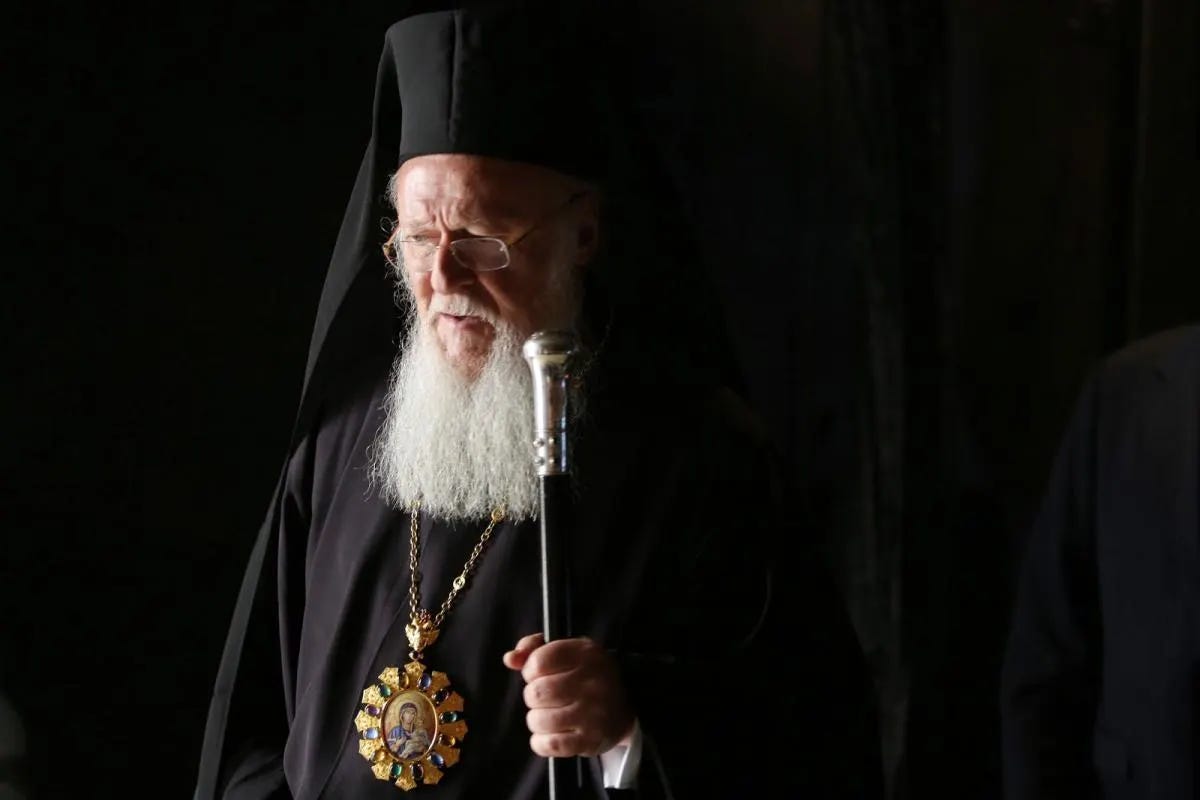
Neither meeting received much fanfare or publicity, despite the seemingly objective significance of the head of global Orthodoxy coming to Rome to both see the pope and meet with the head of the largest Eastern Catholic Church.
The relatively low profile, or at least muted reception, of the two audiences itself speaks volumes about the tenure of Bartholomew, who has served as patriarch for 35 years, over the course of which major ecumenical gestures between East and West have gone from historic to almost quotidian.
Bartholomew has cemented a reputation as a mainstay of Catholic-Orthodox relations and a perennial driving force for closer, more personal relations between Rome and Constantinople, speaking frequently of his hopes for full communion between the two Churches.
At 86 years old, he shows no signs of slowing down and, with the Russian Orthodox Church continuing to drive a wedge in the Eastern communion, his leadership remains very much in demand.
But what are the prospects and options for a big breakthrough with the patriarch? And can the momentum he has built continue past his reign?