Chicago archdiocese can continue countersuit against fake victims, court rules
The archdiocese also warns of an increase in historical abuse claims following a “change in the legal environment.”
The Archdiocese of Chicago won last week a court ruling that will allow it to proceed with a lawsuit against participants in a scheme to make false claims of clerical sexual abuse.
But the archdiocese has also warned that it expects to see an increase in historical abuse claims following a “change in the legal environment.”
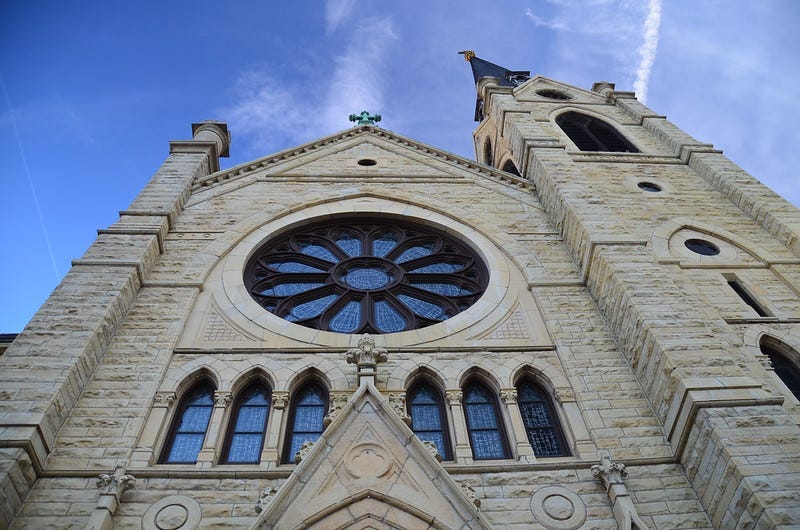
In a June 12 statement from Cardinal Blase Cupich, the archdiocese announced that an Illinois judge had ruled against efforts to have the case dismissed.
“We are determined to press ahead with our defense against these false claims and the affront they represent to true survivors,” said the cardinal. “These individuals sought to take advantage of the archdiocese’s pastoral response to claims, which is to trust claimants, settle cases with compassion, and support survivors of abuse in their healing.”
The plan, which the archdiocese has called a “a racketeering enterprise among a web of connected individuals,” came to light when one of the men involved discussed the plan on a recorded phone call from an Illinois prison, saying inventing accusations against McCormick would get them “on the lick” with the archdiocese, and was a path to “free-ass money.”
Ringleaders of the fraud told friends, family members and criminal associates to claim falsely that they had met McCormack at a parish or through the basketball team he coached. And, in exchange for coaching on presenting fake allegations of abuse to a settlement, the men took a cut of the funds.
The scheme operated successfully for years, according to the archdiocese, taking advantage of a “pastoral” presumption of credibility for alleged victims, especially when the allegations concerned a known and notorious abuser.
In 2025, at the time the countersuit was filed, the archdiocese’s general counsel said that “We trust and believe people when they come forward with abuse claims. These individuals have violated that trust and have attempted to take advantage of it… False claims make it necessary to investigate all claims more aggressively, which places a greater burden on true survivors.”
“We have a duty to oppose claims we know are false to protect and stand up for real survivors of abuse who ultimately are the ones harmed by fraud,” the general counsel said at the time.
But while the archdiocese hailed the progress of their countersuit in the June 12 statement, Cupich also warned that changes in the legal climate had left the local Church anticipating an uptick in historical abuse claims, even though the archdiocese has already paid out more than $400 million to survivors of clerical sexual abuse over the last several decades.
“Over the past 18 months, we have seen a significant change in the legal environment, including widespread attorney advertising and an inflow of private equity financing supporting the law firms soliciting and bringing claims,” Cupich said. “This has resulted in an unprecedented and marked rise in the number of abuse claims, largely stemming from events alleged to have occurred decades ago.”
While pledging “transparency and compassion for those truly harmed,” the cardinal said that “this development risks undermining our ability to provide a just and equitable resolution of genuine claims and increases the likelihood of more false claims.”
The archdiocese has also said it has an obligation to be a good steward of the Church’s resources set aside for abuse claims, and exercising that stewardship is likely part of the reason why the archdiocese filed its countersuit in the first place.
In a statement following Cupich’s June 12 announcement, Chicago’s archdiocesan development officer Brendan Keating acknowledged to donors that the cardinal’s statement “may raise questions about how the archdiocese funds settlement of abuse claims.”
“As a reminder, parishioner donations, parish funds and proceeds from the sale of parish property are the assets of parishes and are not used to fund settlements,” Keating explained.
“Proceeds from archdiocesan fundraising campaigns, such as the Generation to Generation campaign and the Annual Catholic Appeal, are held in separate, restricted accounts, and may only be used for the restricted purposes specified in the campaign materials.”
“Settlement costs are funded by long-held unrestricted archdiocesan assets that have grown in value over many years. These assets include proceeds from the sale of excess archdiocesan real estate and returns on unrestricted investment funds.”
Whatever the eventual outcome of the archdiocese’s lawsuit, the fraudsters’ years of apparent success in receiving awards for bogus accusations points to a known vulnerability in American dioceses as they grapple with the historical sexual abuse claims.
Since the first wave of clerical sexual abuse scandals broke across the Church in the United States 25 years ago, dioceses and archdioceses have had to reckon with decades of mishandled, and in some cases maliciously ignored, historical instances of sexual abuse.
Further cycles of scandal have followed, most notably in 2018 after the Pennsylvania grand jury report and the passage of so-called “look back laws” carving exceptions in state statutes of limitations for victims to sue the Church.
Facing enormous public outrage and the legitimate claims of victims, Church authorities set aside vast amounts of ecclesiastical money — including through the liquidation of Church assets and parish properties — and set up funds to compensate victims of historical crimes.
But the efforts to settle a flood of historical claims often led to expedited consideration of claims and, some canonists, lawyers, and priests’ advocates have repeatedly warned, allowed through sometimes malicious and false accusations.
Practices are often highly inconsistent across different dioceses, but the Chicago suit demonstrates that in some dioceses there has been at least an implicit practice of accepting and settling some historical claims with little examination.
While McCormack was a notorious abuser with a long list of proven victims, canonists have warned in recent years that other similar apparently vexatious claims may have been laid against the names of innocent priests, both living and deceased.
At the same time, priests across the U.S. have reported a low level of trust in their diocesan bishops. Many have said they believe their bishop sees their clergy as expendable liabilities when confronted with an accusation of abuse.
That sense is often compounded by institutional disparities in how accusations of abuse, including historical accusations, are treated when they concern either a bishop or a priest — with the episcopate often appearing to benefit from more solid institutional support, procedural due process rights, and a more reflexive presumption of innocence.
In response to those concerns, the bishops of the United States voted last week to include a new commitment to due process and to respecting the legal and canonical rights of accused clerics in the text of the USCCB’s Charter for the Protection of Children and Young People.

