
The Archdiocese of Turin filed on Saturday a complaint of fraud against a 25-year old Egyptian man who pretended for months to be a Coptic Catholic priest.
The man, who claimed to be named Salam Faragalla, served in three different Turin churches for four months, after presenting forged documents which claimed he was a Catholic priest in good standing, studying engineering at a local university.
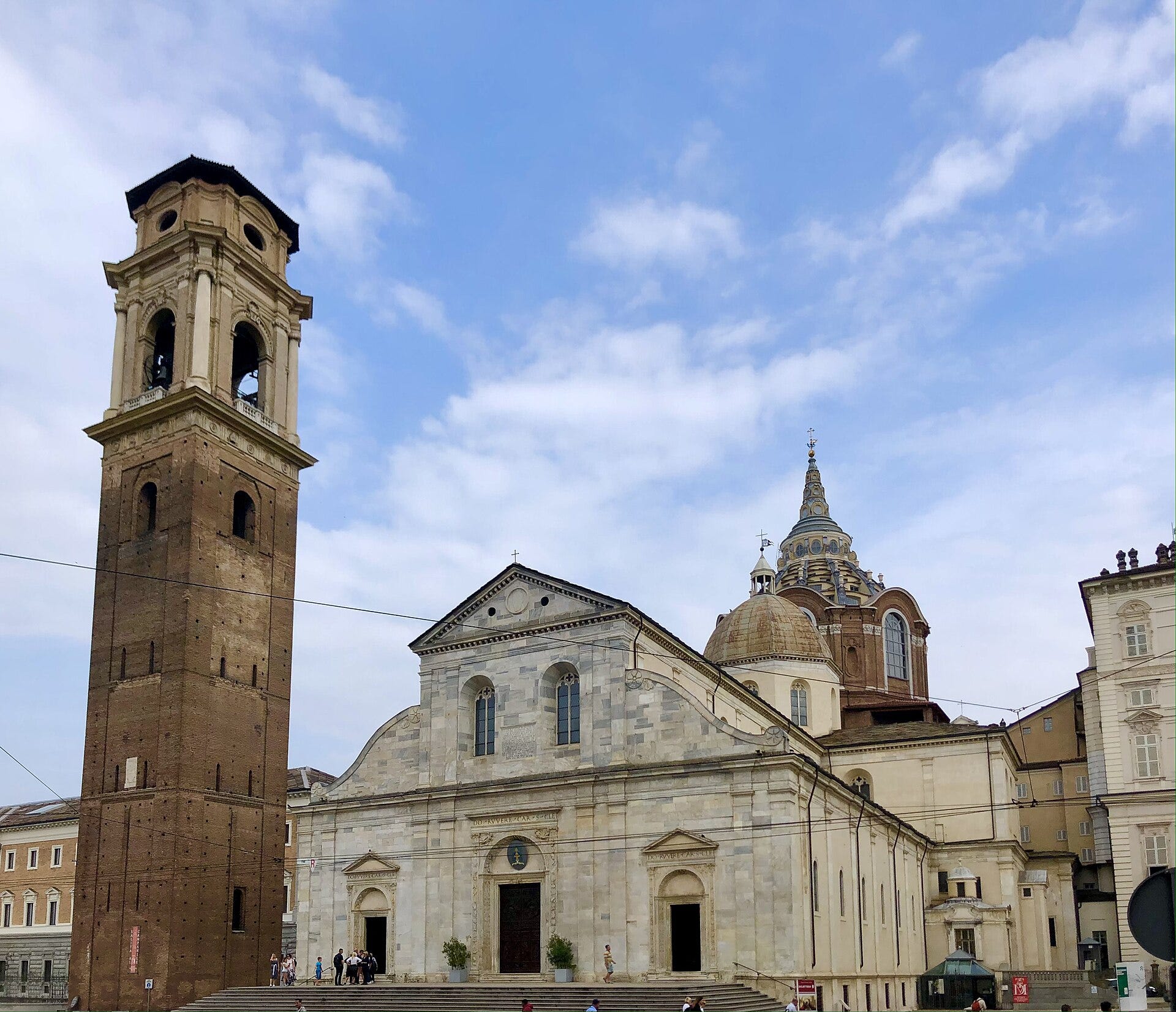
According to La Repubblica, Faragalla presented himself in June 2026 as a priest of the Coptic Catholic Church, saying that he had moved to Turin for engineering studies at the city’s Polytechnic University.
He was assigned by the archdiocese to the Santa Rosa of Lima Parish as a parochial vicar. He also attempted the celebration of Mass and confession in two other parishes in the area.
According to testimonies cited by La Repubblica, the man’s way of celebrating the Mass was “peculiar,” but Faragalla brushed off questions with reference to the differences between the Alexandrian liturgical rite used in the Coptic Church and the Latin rite.
The man’s documents indicated that he had been ordained in January 2025.
After he was assigned to St. Rose of Lima, he began concelebrating Masses at other local parishes during parish events, and then began taking Masses himself during the summer months, with a brief pause during Italy’s early August slowdown.
According to La Repubblica, a parishioner became suspicious after seeing the man in a photo unbecoming of a priest — The Pillar has not yet confirmed details about the photo’s content — and contacted his parish pastor.
Diocesan officials then spoke with Copic Catholic leaders in Egypt, and then realized that the documents certifying Faragalla did not actually belong to him — and that even his enrollment at the Polytechnic University of Turin was forged.
Diocesan officials say they are not certain whether the man’s name is actually Salam Faragalla.
The chancery of the Archdiocese of Turin did not respond to a request for comment from The Pillar.
It is unclear whether Faragalla presented a certificate indicating bi-ritual faculties or whether the Archdiocese of Turin permitted him to offer Mass according to Latin Catholic rubrics — a move which would have seemingly fallen afoul of Vatican directives on the subject.
It is also not clear why archdiocesan authorities initially permitted Faragalla to engage in ministry without contacting his supposed ecclesiastical authorities in Egypt — especially because his claim of falling under an “Egyptian vicariate” is spurious. The only Catholic vicariate in Egypt is Latin Catholic; the Coptic Catholic Church is organized in ten eparchies in Egypt, without any vicariates.
But archdiocesan officials have not answered questions about their own obligations in the case, instead focusing with La Repubblica on questions about the pretend priest’s potential purposes.
“The reason can’t be economic, because he received room and board and a small fee for each Mass, so these questions can only be answered by an investigation after the complaint [filed by the diocese],” Alberto Riccadonna, spokesman of the Archdiocese of Turin said.
“He seemed honest, he spoke Italian well. Perhaps he truly feels a calling to the priesthood, but wasn’t able to pursue it through the usual channels,” he added.
The parish priest of Santa Rosa de Lima, Fr. Davide Pavanello ,told the press that he “hoped [Faragalla] finds the courage to change his life. He’s young and has time to convert.”
“He came across as a sociable, affable person who was good at connecting with people: we all got along well with him—or at least with the side of him that he showed. His mother even came to visit him from Egypt,” he added.
Pavanello said that when he confronted Faragalla, he told him that “‘If it’s a made-up story, just tell me. I’ll help you out anyway.’ But he simply denied it. Perhaps he wanted to become a priest and failed, or perhaps he served in a non-canonical church. Or maybe he just wanted to get away from Egypt.”
Several parishioners expressed concern about having gone to confession with Faragalla, which would not constitute a valid exercise of the sacrament.
Fr. Giuliano Naso, a local parish priest, told reporters that: “This situation could cause a scandal among God’s people, given the grave breach of trust. But I believe that clear communication has helped: people have thanked us for telling the truth, even if it was painful.”
While unconfirmed by the diocese, there is no indication that Faragalla attempted the celebration of any weddings or baptisms in his brief time in the parish.
If found guilty of fraud, Faragalla could face between six months and three years in prison.
Impersonating a member of the clergy was its own criminal offense in Italy until 2000, when it became an administrative offense punishable with a fine of up to 929 euros.
Faragalla could also be liable to canonical penalties, including excommunication for the simulation of sacraments. It is not clear whether Faragalla is a baptized Catholic.
Terrific thing that this troublemaker took the trap, triggering tremendous turmoil throughout the tribunal!
That title tends toward terrific