
‘Love is the great key’: Meet Servants of God Tomás and Paquita Alvira
The Alviras are remembered for a marriage "grounded in love" and filled with joy.
After 14 years of work, the Dicastery for the Causes of the Saints received last month the official biographies of Servants of God Tomás and Paquita Alvira, paving for the way for the next step in the beatification causes of a Spanish couple frequently celebrated as an example of Christian married life.
Their cause is one of the few “joint” causes of beatification for a modern married couple, much like the cases of Blessed Luigi Beltrame Quattrocchi and Maria Corsini, a couple beatified in 2001 by Saint John Paul II, and Saints Louis Martin and Zelie Guerin, the parents of St. Therese of Lisieux.
The Pillar spoke with Fr. José Carlos Martín de la Hoz, postulator of the cause, about the life of Tomás and Paquita Alvira and their beatification cause.
The interview was conducted in Spanish and was edited for clarity and length.
Who were Tomás and Paquita Alvira, and how has the cause progressed?
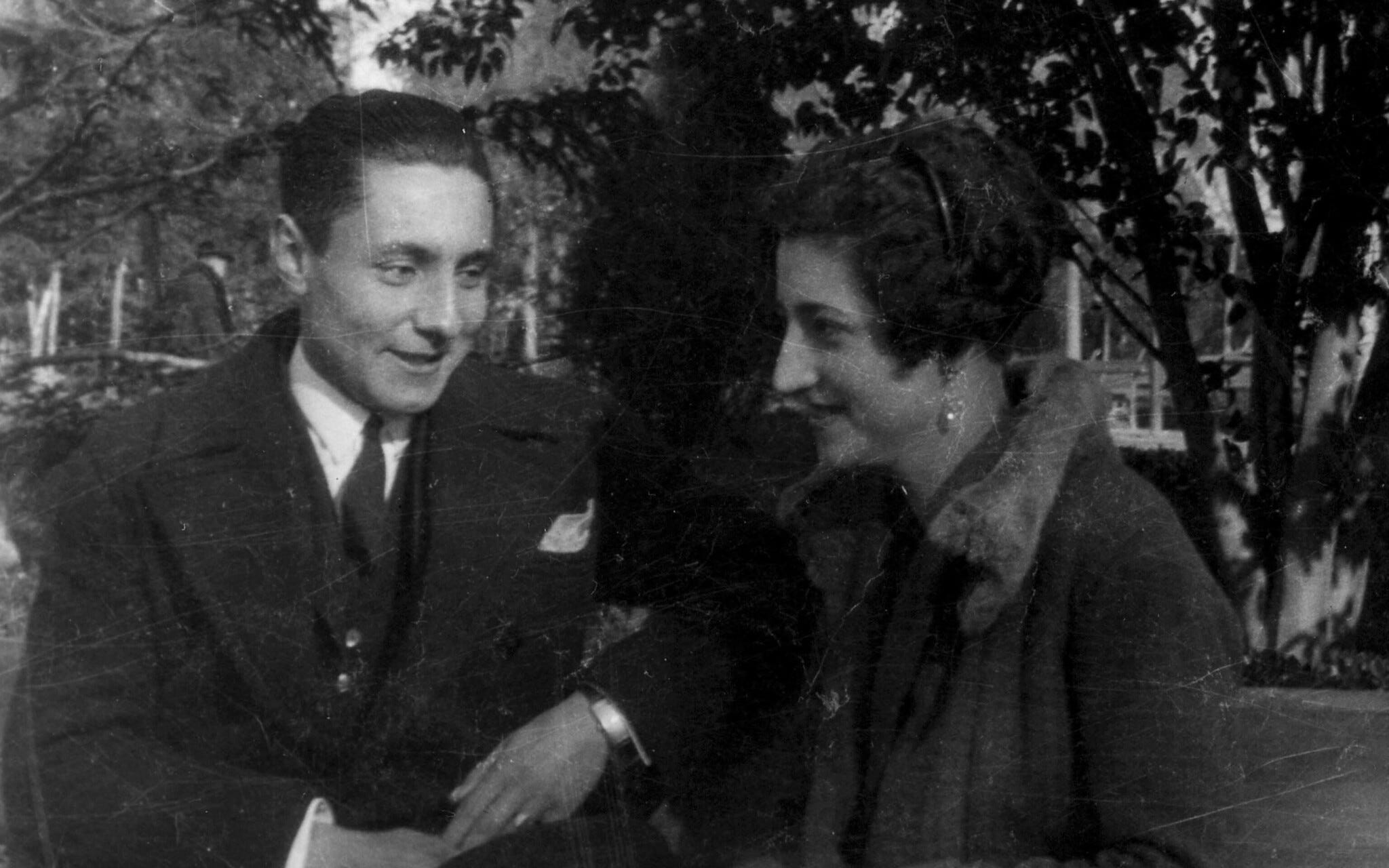
Tomás Alvira Alvira and Francisca (better known as Paquita) Domínguez Susín met in Aragón, Spain in the 1930s. He was a science teacher. She was a schoolteacher working in a town in Spain’s Huesca province.
The two were deeply in love, hoping to marry and build a Christian home, but the Spanish Civil War broke out just as Tomás was about to secure a high school teaching chair. All their plans of love and hope for building a family were shattered by that terrible war that devastated Spain.
When the conflict ended in 1939, Tomás was still in love with Paquita, and as soon as he could, he found her again — during the war they had ended up in two different zones: Spain had been divided between the Republican zone and the zone held by the insurgents. Tomás was in Madrid, which was on the Republican side.
Tomás was able to reunite with Paquita almost immediately, and he secured a teaching chair at the Instituto Ramiro de Maeztu in Madrid, which was then Spain’s model secondary school, and served as secretary of the Higher Council for Scientific Research (CSIC), at the San José de Calasanz Institute.
This meant he finally had the financial means to support a family in peace and stability. Even so, like all Spanish professionals of the time, Tomás was always looking for additional work, since if you had a large family — as this couple did, with nine children — you had to find more sources of income.
That’s why it’s delightful to see Tomás, even in his mature years — 50-something, [maybe] 60 — launch into a new professional adventure, setting up secondary schools across the country. Paquita, on the other hand, was a teacher who gave up her profession once she was married in order to raise their children.
So this is a cause for beatification as a married couple, because both Tomás — carrying forward his professional work while also seeing to his children’s upbringing — and Paquita — who bore the weight of raising the children and running the household — fell deeply in love with one another, and through that human love managed to build a Christian home together.
That is, it is a cause of marriage because both of them lived from that love, and from that love came both the children’s upbringing and the building of a Christian home.
In a cause involving a married couple, what’s done is to study his life first and then hers. Each one’s personal holiness has to be studied. But the grace of it lies in the fact that marriage is a theological place, and so, in studying how he lived the virtues to a heroic degree, and how she lived them to a heroic degree as well, in both cases one is always looking at how they lived those virtues through married love.
Married love isn’t a goal in itself, but the means through which both people arrive at holiness. That’s why, when there isn’t a clear sense that marital love was what led to the heroic practice of the virtues, the cause for him or her is opened separately. But when that awareness does exist — as it did in this case — that marital love was the cement, the means through which each of them, in their profession and in their ordinary activities, attained heroic virtue, then it is presented as a cause “of the marriage” you can say.
The closing session of the diocesan phase doesn’t take place until both causes have been completed separately, even though the cause itself is one of marriage, and the boxes from one process are sealed first, and then the boxes from the other, and both sets of boxes are sent to the Dicastery for the Causes of Saints.
As the postulator, I personally carried the boxes to Rome to make sure they weren’t lost, along with sealed letters from the process’s judge and promoter of justice, and from the bishop of the diocese, certifying that both causes were carried out with all the necessary juridical and theological rigor.
Once it is all delivered to the dicastery, they usually ask for some addition — that is, that further favors or graces attributed to their intercession be sought out. That’s precisely where the grace of a marital process lies: the miracles aren’t studied separately, as ones attributed to him and ones attributed to her, but rather attributed to the couple, to their love, to the marriage.
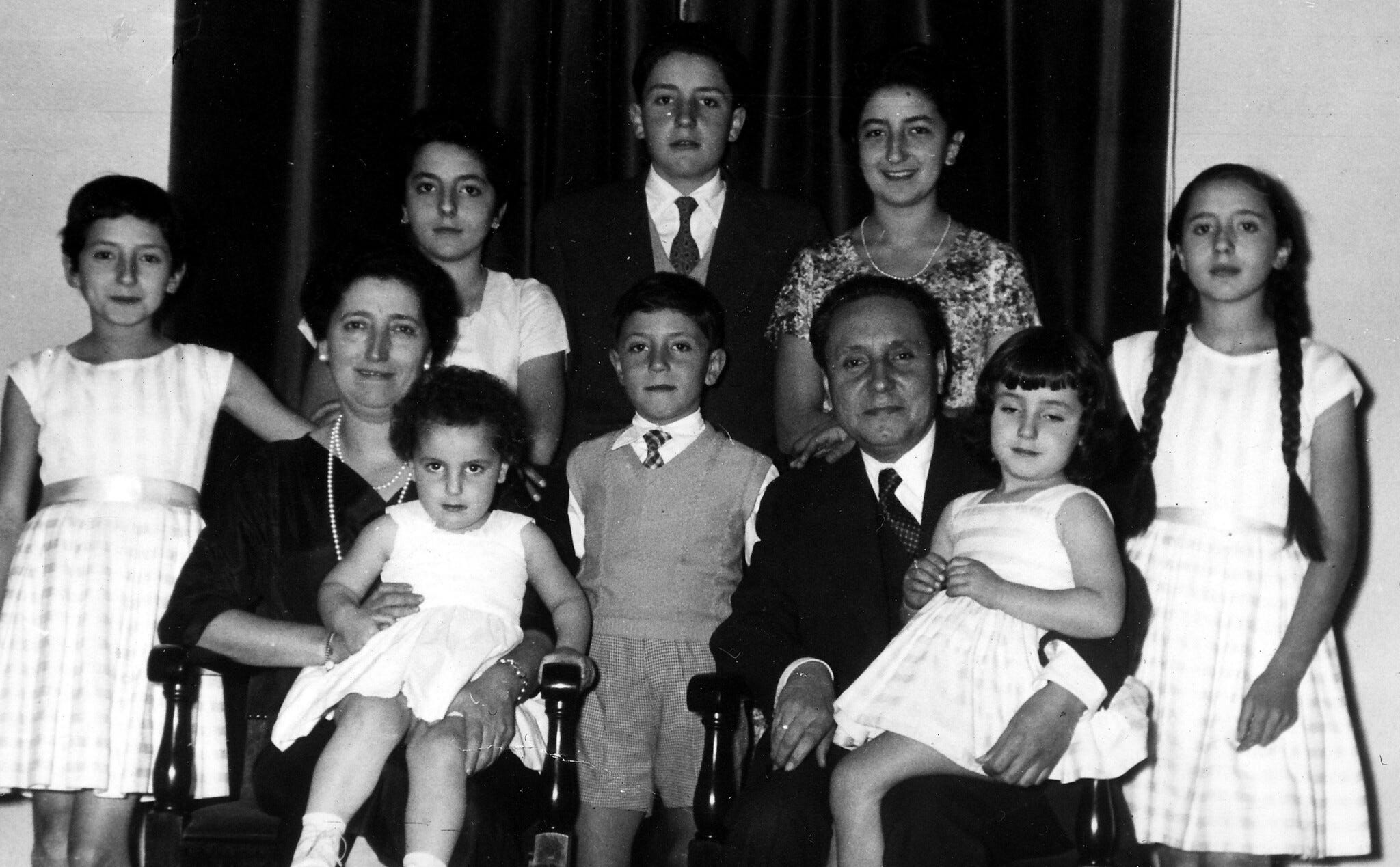
That’s why their prayer card shows both of them together. What that indicates is that what God has joined together, man does not separate — so neither do we separate them in our prayers of intercession.
And it is important to note that a cause cannot be opened unless the devotion has reached a significant part of the people of God. Now in the Roman phase, the members of the dicastery — the theological consultors, the historical experts, the cardinals, archbishops, bishops, and canonists of the dicastery — have to agree that there is heroic virtue in both his and her lives, and that a reputation for graces and favors attributed to their intercession has been established.
That’s what’s still needed next: for the decree of heroic virtues to be issued for both of them, and those in turn function as recognition that the reputation for holiness and favors of the couple has reached a significant part of the people of God.
The third phase of the process is the “miracle phase.” At this point, my role as postulator is twofold: On one hand, praying that the work be carried out with the greatest rigor possible, so that the Church can declare the heroic virtue of Tomás and Paquita.
My other job at this point is to keep spreading their reputation for holiness and favors throughout the world, so that, among all the favors and graces being obtained, one day something emerges that can be classified as a miracle.
How does devotion to servants of God develop and spread?
For the past five years, the Dicastery for the Causes of Saints has organized an annual international congress for the training of postulators of causes, as well as of tribunals, judges, promoters of justice, notaries, and historical experts. At the first of those congresses, we had the good fortune of being received by Pope Francis in the Clementine Hall.
Pope Francis addressed the postulators and tribunals from around the world, and, with the good humor he kept up to the very end, told us not to put our trust in the internet. He said it’s very easy for a cause to “go viral” and disappear again just as quickly; it’s very easy to post a video online and suddenly see favors and graces pouring in. But what matters is what happens the following week: whether it holds, whether favors and graces keep coming in, or whether it was something momentary.
That’s why Pope Francis told us: “I trust a mother more — one who watches her daughter spend the whole afternoon studying, worn out because she has a math exam coming up, and the mother comes over, gives her a kiss, and says, ‘keep studying, but pray to this saint who works so many miracles,’ and leaves her a prayer card of a saint or a servant of God, so she keeps studying but also keeps counting on heaven’s help.”
We make prayer cards, we produce informational bulletins about the process, we make short videos. But in the end, what truly matters is word of mouth.
It’s lovely to see how international the favors are, arriving from Latin America and many other parts of the world.
What Tomás and Paquita “sell,” so to speak, is love. The favors people most often ask for have to do with love: people ask for a girlfriend, a boyfriend; they ask for family love; they ask that a child who has drifted away from God come back; they ask that harmony return home because the father or husband is too busy with work and barely ever at home, or a couple has trouble communicating. Love is the great key right now. Love is universal, and it’s asked for from all four corners of the Earth.
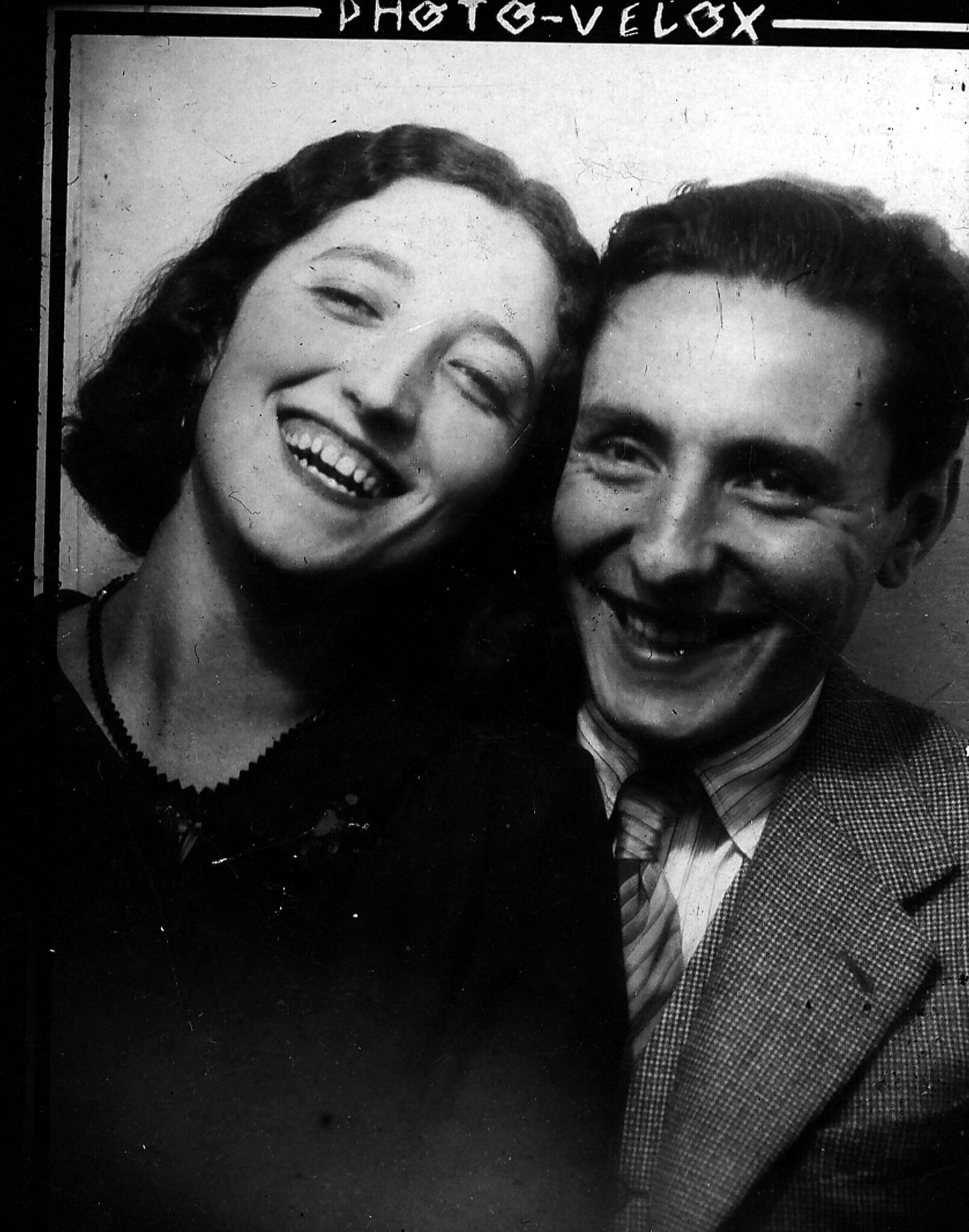
Tomás and Paquita had nine children, though the eldest died as a child. What do their children, grandchildren, and friends say about this family life?
I was actually Tomás’ student growing up, and he was a close friend of my father. I was 15 at the time. One day in class, we were looking through the microscope at a preparation of olivine rock, a volcanic rock containing a mineral called peridot, a beautiful green crystal resembling an emerald. I was in awe, looking through the eyepiece at that preparation, and Tomás came over and said quietly in my ear: “If the macroscopic work of creation that God has made is great and wonderful, now look at the microscopic beauty of creation.”
And it’s true: looking at that preparation, one can’t help but give thanks to God for having made something so beautiful, so wonderful, in the innermost structure of matter. I studied geology before becoming a priest, moved by what I’d learned from Tomás, my natural sciences teacher.
I always thought Tomás was especially fond of me because he was such a close friend of my father’s. Years later I discovered that wasn’t true: every one of Tomás’s students felt loved by him. Why? Because that, quite simply, was the key to his teaching, the key to being a great natural sciences teacher: conveying warmth and affection to his students, and opening up horizons for them, taking them further — which is also part of true affection. Affection isn’t just giving warmth, but also opening horizons, carrying the person further than they’d ever dreamed, because love always leads to the growth of the person loved.
That’s what the children remember about the atmosphere at home: they felt loved and encouraged by both their father and their mother. All of them remember their mother’s tenderness and warmth, and they also point to her humility. Paquita always worried that her children wouldn’t let it go to their heads how clever, how intelligent they were — and it was true, all of them were truly brilliant — but they all ended up humble, because they learned to love by watching their parents.
Now, you ask me about grandchildren. Tomás and Paquita had no grandchildren, because their eight children who reached adulthood all chose to become numeraries of Opus Dei — that is, celibate members — one of whom is a priest.
Now, what’s essential to family life isn’t that the children became members of Opus Dei, obviously, but rather that they, as a couple, were deeply faithful to married love — that as parents they loved each other madly until death and then eternally, that both of them loved Jesus as the foundation of that love. And then, each of the children remains freely responsible for how they respond to the promptings of grace.
Much has been made about their connection to Opus Dei. What did that mean for their faith?
There’s an anecdote about this that sums it up very well. The record has been preserved from the first study week of the earliest supernumeraries — members who don’t commit to celibacy — of Opus Dei, among whom was Tomás.
The diary of that gathering was written by a priest who was leading that first push of Opus Dei’s work among family men and women, among professionals. He writes, full of wonder, about the enthusiasm for formation, the desire for holiness, the desire to be faithful to the vocation they’d received, the desire to leave a mark, to transform the world through the love of God and through the virtue of charity.
But it’s far more interesting to read what they themselves said, the first three of Opus Dei, when they arrived from that gathering.
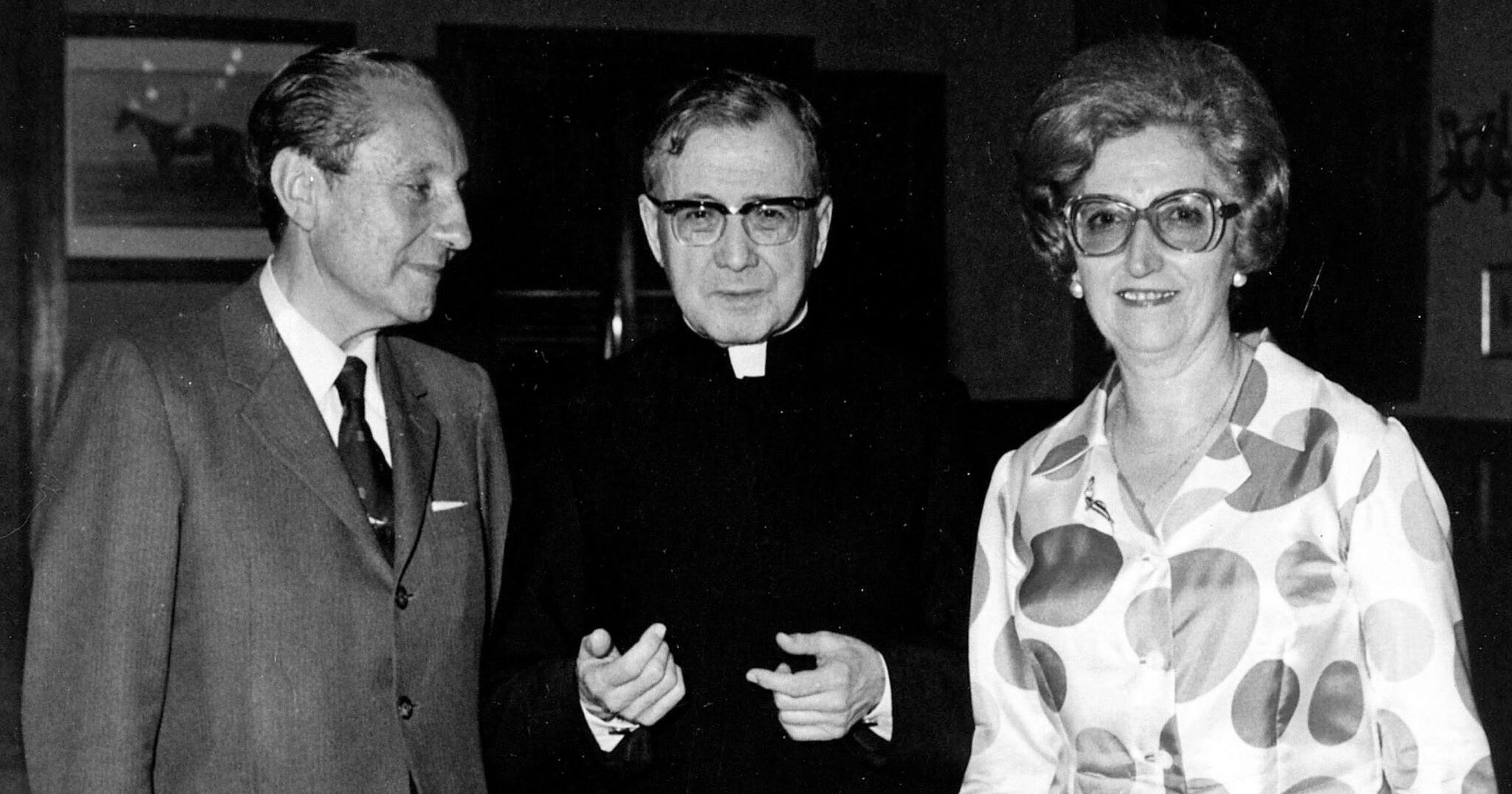
What they said was quite revealing: they spoke of the founder of Opus Dei, who had led that gathering, and said, in summary, “we have never heard anyone speak of human love the way we heard St. Josemaría speak of it at that gathering.” In other words, what they learned at that gathering is that, alongside the ordinary calling of belonging to Opus Dei — sanctifying the ordinary realities of life — there was something specific to being a supernumerary that had to be underscored: marital love.
It became very clear to them that a man of Opus Dei’s first business is his family, and a woman of Opus Dei’s first business is her family. So, above work, above health or illness, above everything, stands the love within the family. And family love is the love that springs from the love between husband and wife.
When that marriage is grounded in love, aims at love, and grows through love, the children grow up healthy, the family situation is stable, and that man and that woman achieve not only professional standing or social position, but heaven — which, in the end, is what matters.
Beyond that, something else that stood out was the joy with which they lived. The best business schools teach that the finest executives are those who have their backs covered, so to speak — those with a stable family life, who arrive at work with a full heart, who know they’re loved by their spouse and children.
Those are the best professionals. Why? Because when your back is covered, when you know that what you’re doing is to provide for your family and, through it, for society, you feel happy and complete. And that’s exactly what was felt in the home of Tomás and Paquita.
There’s a story about Paquita, from when she attended her first spiritual retreat, already a mother of several children. Coming back, she resolved to make five minutes of daily mental prayer — which was what she believed she could manage.
How did they live out their spiritual life amid so many professional and family responsibilities?
That’s a question a young woman with a very demanding professional life asked me the other day. She told me: “Look, I get to work in the morning and leave at one in the morning. I have an intense schedule, but I really enjoy my work. I’m very happy there, I have wonderful bosses, great colleagues — but I don’t have time to go to Mass. Do you think I should quit my job so I can go to Mass?”
I told her: “You’re like a merchant sailor, who goes to Mass whenever the ship docks. What matters is that you turn every day into a Mass.”
The great secret of Tomás and Paquita was what they learned from St. Josemaría: turning the day into a Mass. The Mass is the center and root of one’s interior life, and if everything revolves around the Mass, then we’ll know how to seek it out whenever we can, seeking out moments and opportunities so that the Mass just lived ends up transforming everything else.
That’s why children remember Sunday Mass — going together as a family to the parish church next to their house, and afterward, once Mass ended, there was always something special, a special breakfast. There was a time of family joy, because the Mass was the event of the week that they lived with God and as a family. And from there flows what’s called a “plan of life,” the norms of piety that keep God’s presence alive.
A newly married woman told me recently as well: “Look, sometimes I get home at half past ten at night, and my husband too, and by eleven we already have to go to sleep. I still have almost my whole plan of life left to do: prayer, the rosary, spiritual reading.” And I told her: “Give your husband a big hug, and with that you’ve already fulfilled your whole plan of life, because in the end the plan of life exists to help us love, and when you embrace your husband, that’s the reality of marital love — you’re carrying out your whole plan of life.”
It’s about the naturalness of love. As I said before, all their children chose celibacy as their vocation, but they were never forced into anything: it was their parents’ example. Seeing them go to Mass daily, seeing them in their room spending a while in prayer or reading the Gospel, praying the Rosary together after dinner every day.
They saw their mother ask them to come along on a short visit to the Blessed Sacrament in the mid-afternoon for a few minutes, and then they’d head back home.
If parents set an example of being people of prayer, and pray with their children, then those children — even if they go through a phase of adolescence, of rebellion, of confusion — will, because they had these things so deeply rooted, and had seen them lived out naturally by their parents, find themselves drawn back to all of it over time.
That’s why Paquita often used to say that the Alvira home was a home one always returned to, like a magnet drawing everyone back through Madrid to see their parents, to be with the family, to be with their siblings.
We’ve spoken a lot about ordinary life — but in the lives of Tomás and Paquita there were also extraordinary crosses: the Spanish Civil War that kept them apart for three years, the loss of their eldest child at age five, Tomás’s eventual cancer, and then Paquita’s two years as a widow. How did they live through these more extraordinary moments as well?
Well, as the Acts of the Apostles put it, quoting St. Paul’s very apt words: “It is through many tribulations that we must enter the Kingdom of God” (Acts 14:22). So the cross is going to appear, and not just once, but habitually — just as gold is refined in fire, man is refined in tribulation.
But it’s the small crosses that prepare us for the big ones. And that was one of the characteristics of the Alvira marriage. They learned to correct each other with love and to bear each other’s flaws with love. They never said things like “you’re a disaster.”
When they had something to tell each other, they’d first exchange five kisses, five hugs, and, for instance, he would say: “My love, if you arrived on time, you’d already be the holiest woman in the universe.” Or she’d tell him, with five kisses and five hugs: “Tomás, you should eat more breakfast, you should eat more, because you work too much.”
That is, whatever needed to be said, they said one thing at a time, without generalizing, and with charity. And they said it in a positive spirit, so that the other person felt loved and felt hopeful.
A family of eight children faces certain hardships, even if nothing truly essential is lacking materially. I once read, for example, that Tomás never owned a car. How did they live out the virtue of poverty?
You also have to understand the circumstances of living in the Spain of the 1950s and ’60s. To get a car you had to put your name on a waiting list, and eventually you might be able to buy a small utility car, the Seat 600. My own father didn’t have a car back then either — it wasn’t the norm.
We’re talking about a country coming out of a civil war, one that didn’t take off economically until the 1960s and ‘70s. So, on one hand, there are traits particular to a country recovering from war and catching up to a European economy it had been shut out of because of the dictatorship.
In the Alvira family, as in all Christian families, and especially the larger ones, there’s always some scarcity. St. Josemaría used to advise Opus Dei supernumeraries to gradually give their children more freedom: that is, he encouraged them to grant their children freedom, and financial means too, little by little, according to each child’s ability to manage money and manage freedom.
In that way, they were forming their children in a fundamental virtue: generosity toward God. One must lean on God’s hands, trust in God, put all of one’s love in God, so as not to be attached to earthly things, but rather know how to use them sensibly. Teaching them to be good stewards of money, and good stewards of freedom, is, at bottom, teaching them to have a free heart, so they can love God and their neighbor.
In your experience, what do people most identify with in Tomás and Paquita, or which virtues do others highlight most about them?
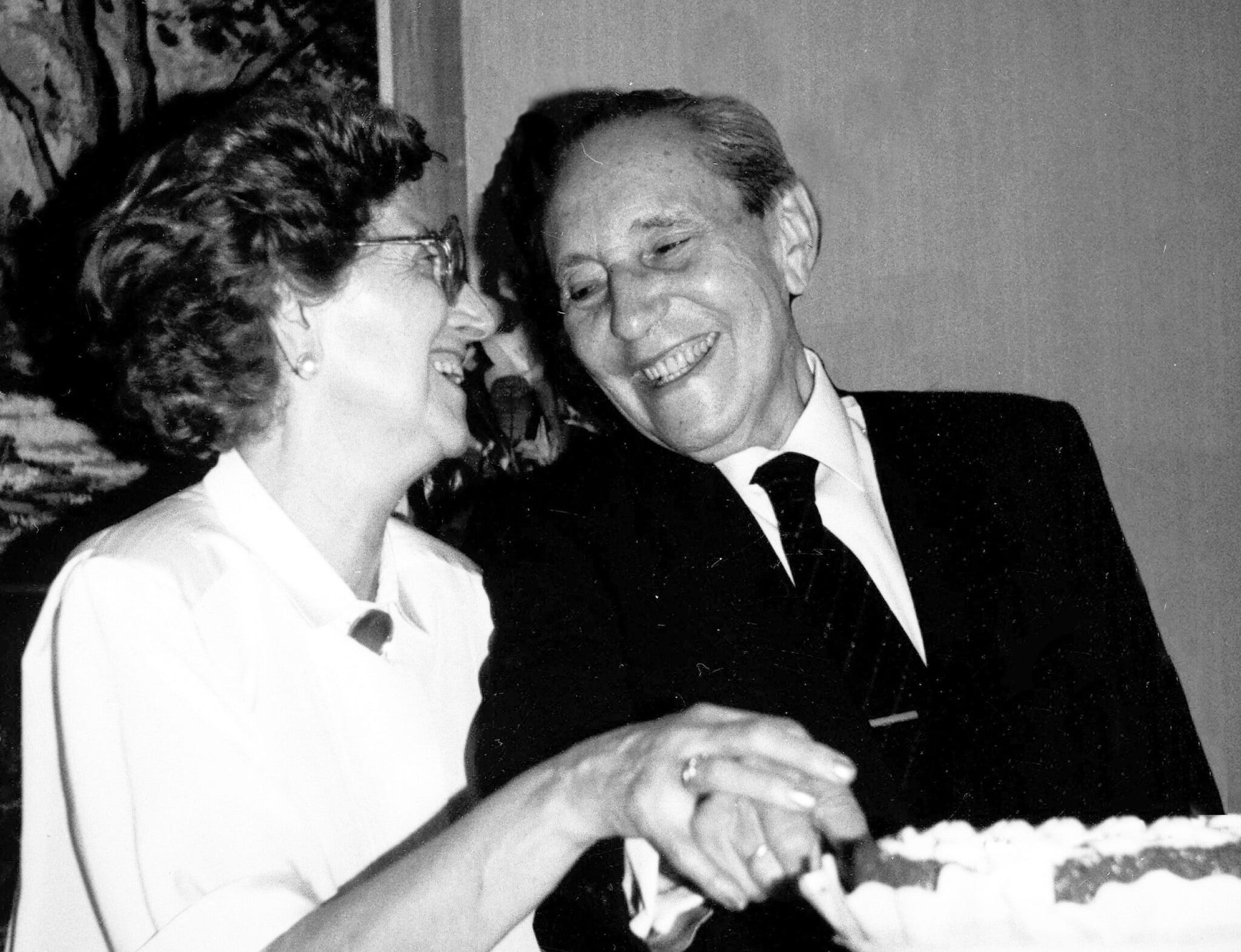
I think what strikes people most is seeing them very elderly, still very much in love — seeing how they looked at each other, how they smiled at each other. It’s very moving to know, for instance, that they used to sit on the porch of their house, well along in years, as evening fell. And suddenly Tomás raises an eyebrow, and Paquita asks him: “Do you feel like having a snack?” And he answers: “You know me so well — even down to raising an eyebrow?” When we’re truly in love, we’re attuned to each other; words aren’t necessary, the naturalness of love is enough.