
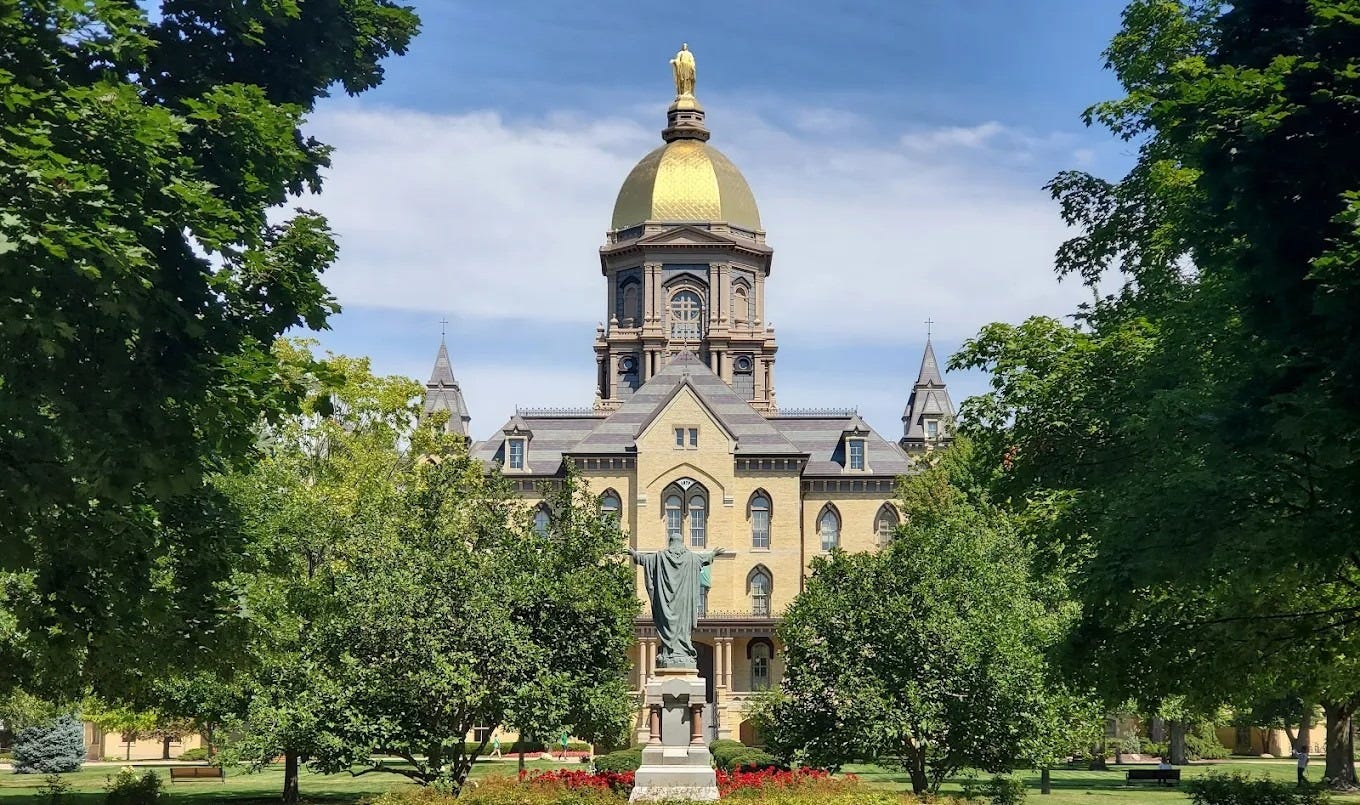
“I die the king’s good servant, but God’s first,” were the reported as the final words of St. Thomas More.
Most know his story, dramatized in A Man for All Seasons. After a long career in the English Parliament and as a court official, More was chosen by King Henry VIII to serve as Lord Chancellor of England, the highest position in government below the king.
When Henry was denied (another) marriage annulment by Pope Clement VII, he rejected the pope’s authority and declared himself head of his newly declared Church in England. Because of his faith, Thomas More refused to give his assent to the king’s acts against the Catholic Church. Instead, he resigned his government position and gave up not just incredible honor and power, but his livelihood.
The king, however, still coveted More’s most valuable public possession – his moral witness. Henry understood its power to influence others. So instead of letting More go quietly, the king sought to make him swear the Oath of Succession which rejected papal authority. When More refused to do so he was imprisoned, tried, and put to death.
Almost five hundred years later, St. Thomas More’s witness still has tremendous potency.
I’ve long wanted to reflect on the power of witness in More’s realm, that of government and politics. However, as I was writing this column, a statement by Bishop Kevin Roades of the Fort Wayne-South Bend Diocese turned my attention to another power center with which I have familiarity.
He was writing about the recent decision by the University of Notre Dame to appoint a virulent abortion advocate as the next director of an institute housed within the university.