Once again, cardinals uncertain ahead of consistory
Will Leo's home run January consistory be repeated?
When the first extraordinary consistory of Pope Leo XIV’s pontificate ended in early January, the general feeling in the College of Cardinals was overwhelmingly positive.
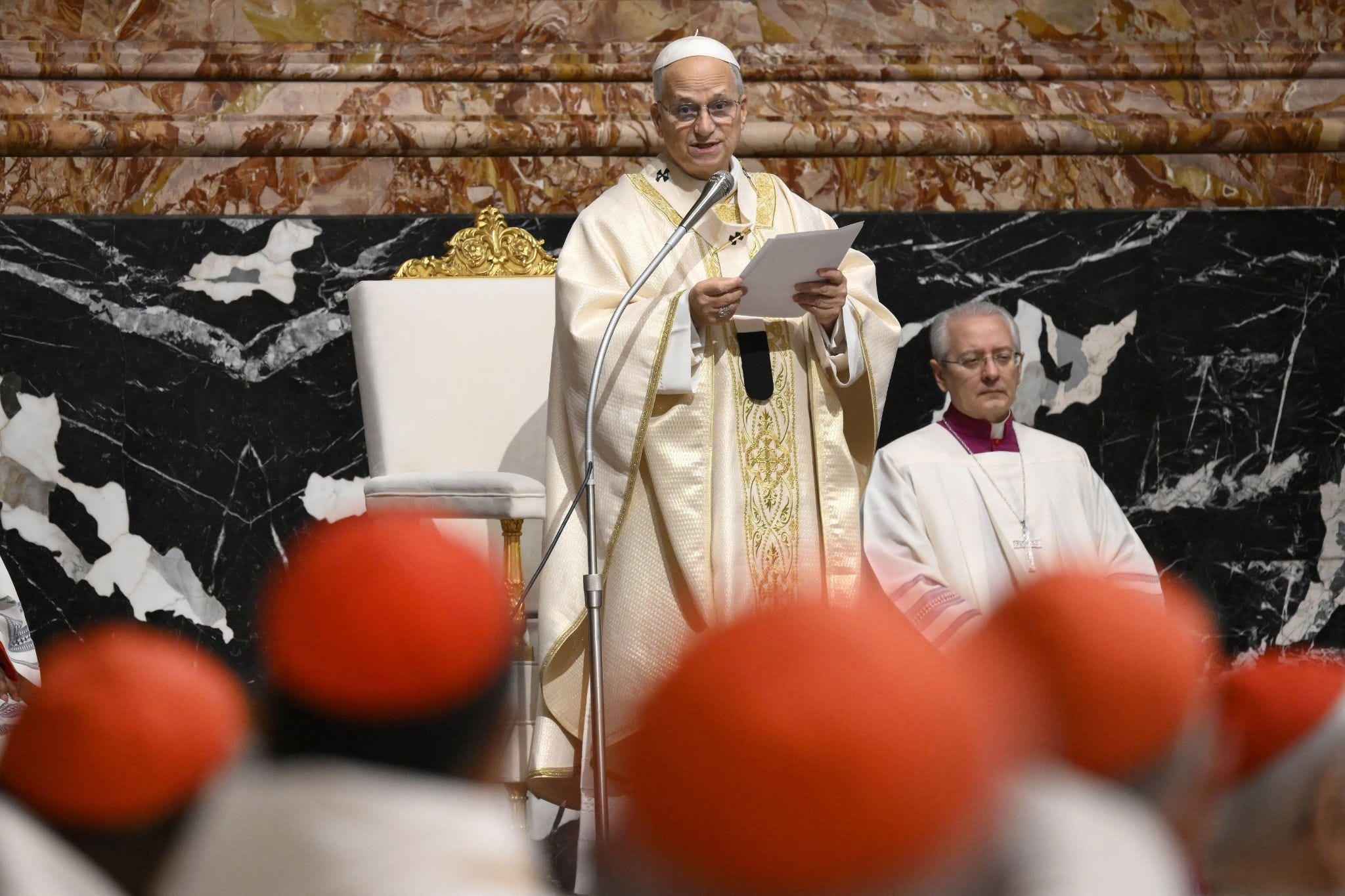
While some cardinals had concerns about the methodology used, most welcomed what they saw as Pope Leo’s sincere intention to use the College of Cardinals as a consultative body, after his predecessor had convened only a few consistories and rarely consulted a wide boys of cardinals.
The impression that Leo was doing something different was reinforced when the pope announced that another extraordinary consistory would be held in June, and that he intended to convene an extraordinary consistory lasting several days each year thereafter.
But ahead of a meeting set to begin Friday, the methodology and choice of topics have altered, at least to some extent, the mood surrounding the cardinals his time around.
“It all feels like it was organized by an HR department,” one curial cardinal told The Pillar.
“It’s all too tightly controlled, it doesn’t feel like there’s freedom to discuss the things that we need to discuss, and we’re being led by very specific questions on very specific issues in very small groups, without space for open discussion,” the same cardinal told The Pillar.
—
In the past, consistories have typically consisted mostly of plenary sessions — meetings of the entire body of cardinals. January’s format included two plenary sessions – with time for 25 cardinals to address the entire college – but the majority of the gathering was spent in small groups, similar to the synod on synodality “round table” approach.
Some cardinals initially reported apprehension or confusion about the new format. But as they left Paul VI Hall in January, several told The Pillar they believed the new format facilitated longer, more in-depth conversations, even if some cardinals would prefer to have more plenary sessions or to fully scrap the small-group dynamic.
But with a meeting starting this week, some cardinals told The Pillar they felt a bit confused about the topics for discussion.
When January’s consistory ended, many cardinals were under the impression that the two topics they didn’t have a chance to discuss during that meeting – the liturgy and the reform of the curia – would be the topics for their June gathering.
In April the pope sent a letter to the College of Cardinals asking them to reflect on Evangelii gaudium, with many then assuming the consistory would continue discussing evangelization, as in January.
But Cardinal Giovanni Battista Re, dean of the College of Cardinals, sent a letter to all cardinals in early June officially announcing the topics for the upcoming consistory.
The dean’s letter said that the consistory would discuss four main themes. The first session, during the morning of June 26, will be a “shared meditation beginning with the international situation.”
The second and third sessions would discuss aspects of Pope Leo’s first encyclical, Magnifica humanitas, the letter said. And according to Re’s letter, the cardinals would receive an update on the process of implementation of the Synod on Synodality in the last session.
Even that has been subject to tweaks. While the structure was mostly kept in place, some things have changed between Re’s letter and the official announcement of the consistory’s schedule from the Holy See Press Office this week.
For example, while Re’s letter said that just war theory would be discussed in detail, this week’s schedule said that the cardinals will discuss two specific questions, which are related, but not quite the same: “How do the tensions, divisions and conflicts that are sweeping across the world today affect the life of our Churches and our peoples?” and “What languages, attitudes and practices can help build reconciliation, coexistence and peace?”
Moreover, one cardinal told The Pillar that he expects just war theory would be addressed only marginally, if at all, despite original expectations of detailed discussions after Re’s letter.
“How are we supposed to prepare well for a consistory when it’s unclear what we’re actually supposed to discuss until the very week of the consistory?” a cardinal asked The Pillar.
Another cardinal said that he only found out through the press which cardinals will provide the guiding meditations before each session, because he never received the information directly, an issue that had also occurred in January with several cardinals.
And several cardinals across the theological spectrum showed a level of uncertainty about the consistory’s topics.
“These are surely very important societal issues and challenges, but I am not sure what we are supposed to add to the discussion beyond talking about personal experiences,” a cardinal told The Pillar.
“I don’t know what the Holy Father expects of this consistory, if I’m being honest,” the cardinal added.
Another cardinal told The Pillar that several curial cardinals were unsure what they, specifically, were expected to discuss during the first session, since one of the guiding questions seemed tailored to cardinals currently serving as diocesan bishops. It asked: “What sufferings, tensions and questions are most forcefully affecting the peoples and ecclesial communities entrusted to your care today?”
“What about the ones that don’t have a flock or a community entrusted to them? What are they supposed to do during that session?” the cardinal said.
“I think there’s a need for more open consultation, there’s too much control with the topics, and too much dispersion. Consistories usually were about a single topic, how are you supposed to have a substantive discussion in a single session? This is not what a consistory is supposed to be,” the same cardinal added.
While January’s consistory and the announcement of annual consistories were largely seen as an effective exercise in collegiality and a return to normalcy, this second consistory may leave some members of the College of Cardinals feeling differently.
Asked to discuss topics outside their areas of competence, amid organizational difficulties, last-minute confusion over the agenda, and a lack of clarity about what is expected of them, some cardinals approach the consistory with a degree of reserve.
At the same time, many cardinals were apprehensive about the first consistory for similar reasons, and, in the end, most of them were content with the development. This could certainly be the case again once the smoke clears and the actual discussions occur.
What will happen remains to be seen.
