Patron saints for digestive woes
A list of saints whose intercession is commonly sought for…bowel problems… of various sorts.
The United States is caught up in a mystery of explosive proportion, amid a multi-state outbreak of a parasite which causes intense…digestive discomfort.
That’s as far as we’re going to explain it here at The Pillar — there’s no need for specifics. If you’ve got the parasite, after all, you know the specifics.
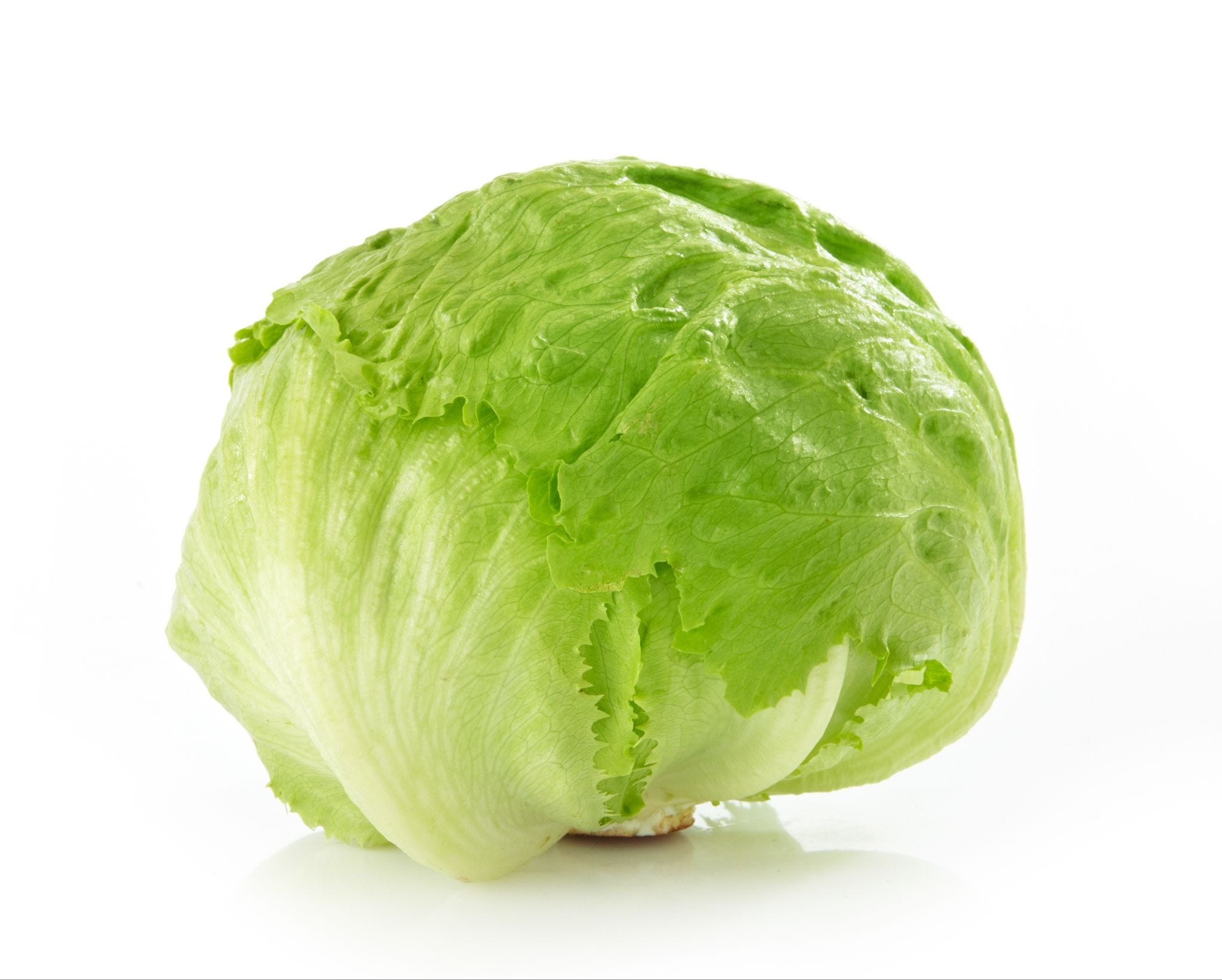
Since May, there has been an increase in cases of parasite-related tummy trouble across a number of states – it’s unclear how many tummies, in how many states, are actually impacted. (or evacuated, as the case seems to be.)
The intestinal unrest seems in some cases to be linked to Taco Bell, and is sometimes severe enough to warrant hospitalization.
Late last week, it seemed the mystery had been solved. The FDA said its investigation had identified Taylor Farms de Mexico as the supplier connected with the outbreak, and Taylor Farms announced a recall on iceberg lettuce products sourced from Central Mexico.
Just days later, though, the FDA said the lab results connected to the Taylor Farms lettuce were a false positive. The FDA still suspects Taylor Farms, as its surveillance and tracing efforts suggest a strong link between the company’s iceberg lettuce and the illness. But Taylor Farms is emphasizing that none of its products have, to date, tested positive
The mystery of the parasite continues, leaving many Americans wondering if it’s safe to indulge in a little shredded lettuce, bagged salad, or even a BLT.
In these troubled times, The Pillar has compiled a list of saints whose intercession is commonly sought for…bowel problems… of various sorts.
(Note: Digestive woes can be, well, graphic, as can the images of saints associated with them. Viewer discretion is advised.)
St. Timothy
St. Timothy lived in the first century AD. He was a follower of St. Paul and the first bishop of Ephesus. It seems he also had a reputation for having a weak stomach, as St. Paul wrote to him in 1 Timothy, advising him to “stop drinking only water and use a little wine for the sake of your stomach and your frequent ailments.”
Despite being an admonition straight from Scripture itself, it is unclear whether a little wine will help alleviate the…unpleasantness…currently spreading through the country. (The FDA is strangely silent on that potential remedy.) But St. Timothy would certainly be a good intercessor for those who are nervous about the possibility of encountering ailments of a digestive nature.
St. Teresa of Avila
A 16th century Carmelite nun in Spain, St. Teresa of Avila is a Doctor of the Church known for her mystical experiences, reforms of the Carmelite order, and acts of mortification.
Perhaps less known are the intense physical sufferings Teresa endured for much of her life – including malaria, spine problems, seizures, and years of paralysis.
She also experienced chronic stomach problems. But while her illnesses sometimes made it difficult for her to pray, she eventually learned to see her physical sufferings as opportunities to love God through patient forbearance.
Teresa of Avila’s example makes her a good intercessor for those who manage to come down with…internal unrest…despite their best efforts to avoid it.
St. Elmo
Saint Erasmus of Formia, also known as St. Elmo, was a third century martyr. While many accounts of his life are unreliable, what is known with most certainty is that he died during the Diocletian persecution.
Elmo, who was bishop of Formia, endured several arrests and rounds of torture before he was eventually killed.
Tradition holds he was disemboweled, a fate at least as painful as parasite-induced…distress. He is invoked today as the patron of intestinal disorders.
St. Bonaventure
Saint Bonaventure was born in the 13th century in Tuscany. As a young child, he suffered a life-threatening bowel problem. Tradition holds that his mother asked St. Francis of Assisi to pray for her son, and he miraculously recovered. Bonaventure later wrote that he had been “snatched from the jaws of death” by Francis’ intercession on his behalf.
Bonaventure grew up to join the Francisan Order, where he is credited as the order’s “second founder” for bringing unity and order at a time of explosive growth and stark division following Francis’ death. He is a Doctor of the Church.
Because of his childhood experience, Bonaventure is a patron of those who suffer from bowel and GI problems.
Meanwhile, St. Francis of Assisi — who actually did the praying for young Bonaventure — is not particularly venerated as a patron of bowel and GI issues. But perhaps he should be.
St. Hildegard
St. Hildegard was a mystic Benedictine abbess in Germany in the 1100s. A prolific writer, composer, and theologian, she is today recognized as a Doctor of the Church.
Among her many writings, Hildegard penned treatises proposing natural remedies for a wide variety of ailments. She combined medical ideas of her time – such as the balancing of bodily humors – with traditional folk remedies, herbal treatments, and holistic cures.
Hildegard’s remedies for various digestive ailments included wormwood, spelt, fennel, water mint, cinnamon, and nutmeg.
Nearly 1,000 years later, some of the herbs and botanicals recommended by Hildegard are recognized for their medicinal value, particularly among practitioners of natural medicine.
Others are more controversial. Wormwood, for example, is widely available in tinctures and herbal remedies in the United States, but is classified by the FDA as unsafe for human consumption.
Of course, the same FDA has been unable to conclusively determine the source of a parasite that has been plaguing various parts of the country since May. Still, eating wormwood probably isn’t a good idea. We don’t advocate it.
Whatever your view on natural remedies, St. Hildegard is a great intercessor for tummy troubles and other health ailments.
Not-a-Saint Arius
Don’t pray to this one. Arius is not a saint; he’s a heretic. A fourth century priest in Alexandria, he taught that Christ was not equal in his divine nature to God the Father. Arius became the namesake for the heresy of Arianism, which essentially holds that Jesus was a created human being, and not fully divine.
Arianism began to spread, and the Council of Nicea was called in 325 AD to settle the matter. The result of that council was the Nicene Creed, which affirmed that God the Son was “begotten, not made” and shared one substance with the Father.
When Arius rejected the creed, he was excommunicated and sent into exile. He later attempted to reconcile with the Church through a sort of compromise statement, which was accepted by Emperor Constantine at the time, but which his own bishop and most later historians recognized as simply a softening of his own views rather than acceptance of the Church’s teaching.
The emperor ordered that Arius be readmitted to the Church, despite the objections of his bishop, St. Alexander of Constantinople. But as Arius was traveling to the church, historians say he was struck by a sudden bout of…spastic gastric pangs … that were so intense he died, on the toilet, in a public restroom.
Later accounts suggested that Arius may have suffered from a bowel prolapse, an abdominal aortic aneurysm, some type of cancer, or even poisoning by his enemies. But whatever the actual cause, the moral of his story is clear: Don’t deny the homoousios.
And maybe avoid iceberg lettuce for another week or two.


You can always trust the Pillar to get to the bottom of things.
On the one hand, Arius got what he deserved, ecclesiastically. But on the other hand, you might say Arius got a bum rap.