Pentecost in Brazil: Festa do Divino
In Brazil, Festa do Divino is a days-long celebration with both religious and cultural elements.
Sunday is Pentecost, the feast on which the Church recalls the outpouring of the Holy Spirit upon the apostles 50 days after Easter.
Traditional celebrations for the feast day include novenas to the Holy Spirit, the release of doves, and the famous shower of rose petals in the Pantheon in Rome.
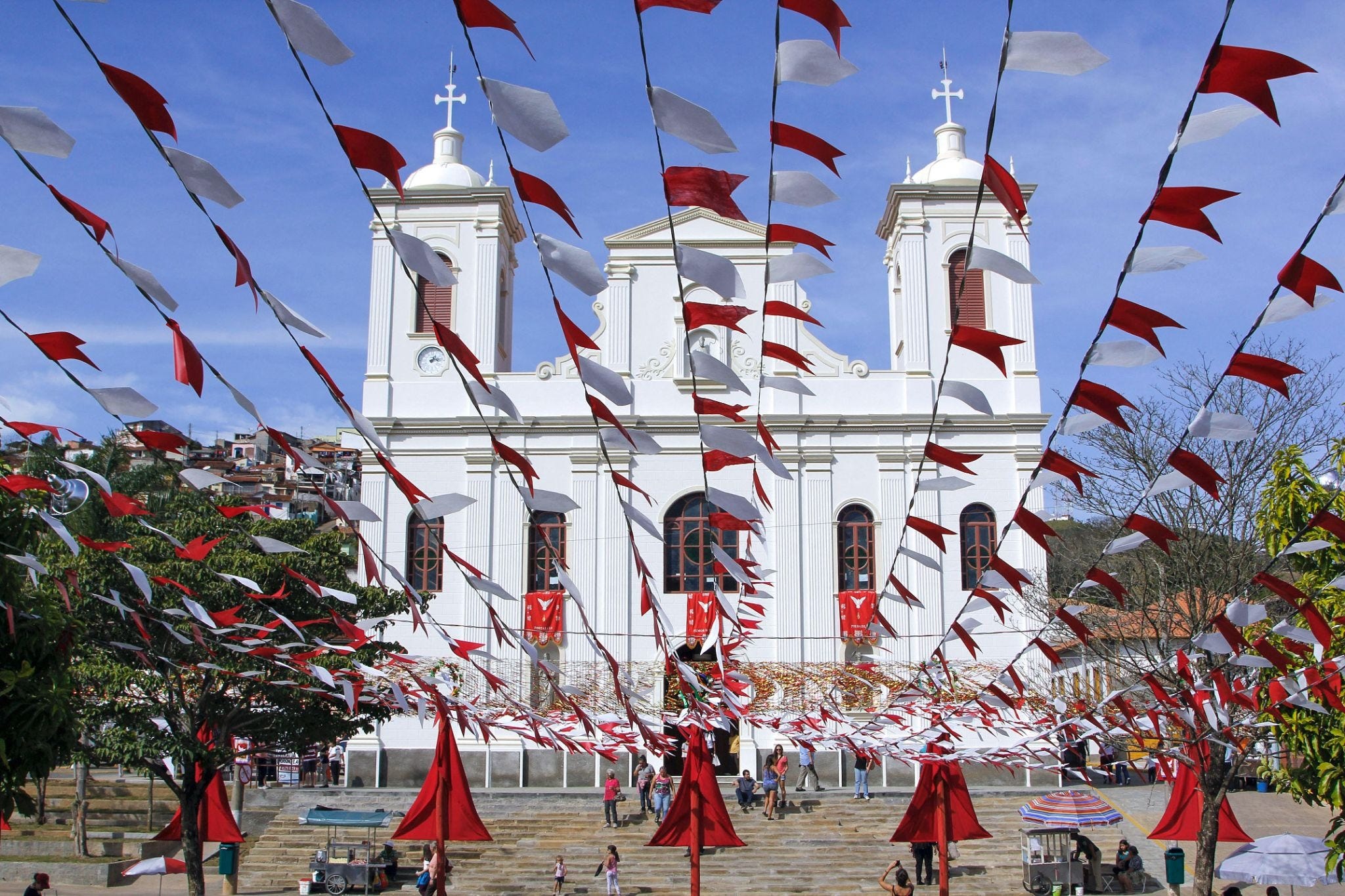
In Brazil, though, Pentecost is a week-long celebration, including massive processions, music, dancing, and food. The centuries-old observance is known as Festa do Divino.
The origins of the festival reach back to the 13th century, when Queen Elizabeth of Portugal – also known as Queen Isabel – prayed for the Holy Spirit’s intercession to save her people from a severe famine that had struck the land.
According to the tradition, ships bearing food arrived at the harbor on Pentecost Sunday, and the queen then held a feast for the starving people.
That event prompted an annual celebration: the Festa do Divino Espírito Santo.

Today, the Festa do Divino is most widely celebrated in Brazil, where it is a days-long festival with both religious and cultural elements.
The festivities surrounding the Festa do Divino vary by region, but highlights typically include a procession and coronation ceremony.
Cities and towns throughout Brazil hold processions for the festa, in some cases drawing tens of thousands of participants. The processions can last days, and include prayer and song. First communicants are sometimes featured prominently in these community events.
As part of the celebration, a child is crowned, hearkening back to a tradition which says that at the original Pentecost feast in Portugal, Queen Elizabeth removed her crown and placed it on a child, as a gesture of humility and a show of equality before God.
Some towns also hold Pentecost Cavalhadas, dramatic jousting events re-enacting battles between the Christians and Moors. Participants often don elaborate masks and costumes for the fights.
Food is another major component of the festivities. In addition to a shared community feast – often including beef, soup, and bread – Pentecost in Brazil is traditionally a time of helping those in need, often by distributing food to the homes of the poor.


