
The sudden death of a priest who was killed this month when a crucifix fell on his head during Mass has prompted concerns about the challenges of maintaining and repairing churches in parts of Ecuador, with the nation’s cardinal telling The Pillar that deferred church maintenance needs to be addressed.
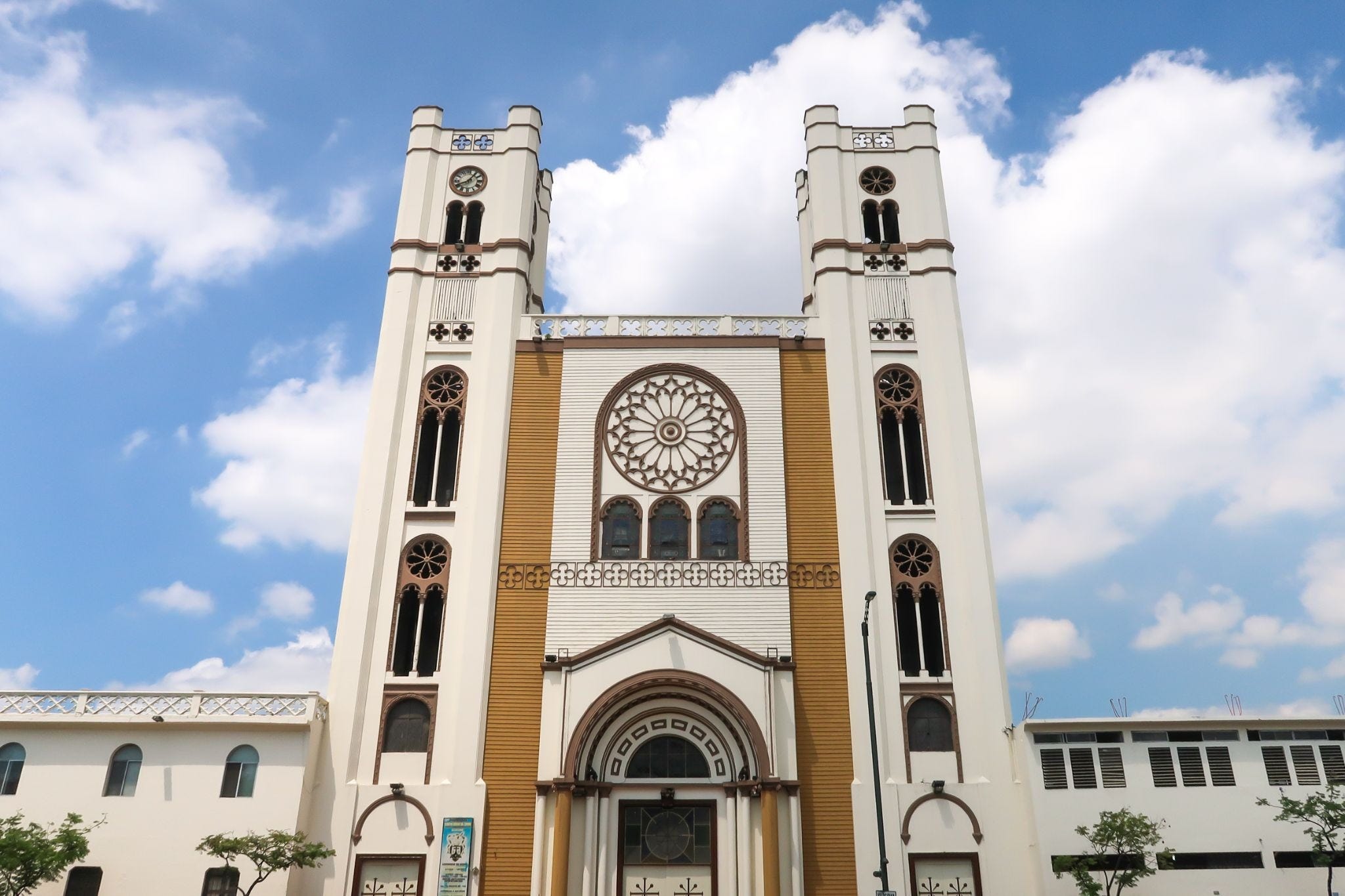
Father Patricio Sánchez Molinari, 53, was celebrating Mass on the evening of Oct. 17 at Our Lady of Perpetual Help Church in Guayaquil. The crucifix mounted on the wall behind the altar came loose unexpectedly during the Mass, and fell suddenly, striking Sánchez on the head.
Churchgoers rushed the priest to the hospital, but he died of his wounds.
Ecuadorian police have classified the priest’s death as an accident, but family members say they want to know exactly what happened and are awaiting a police investigation.
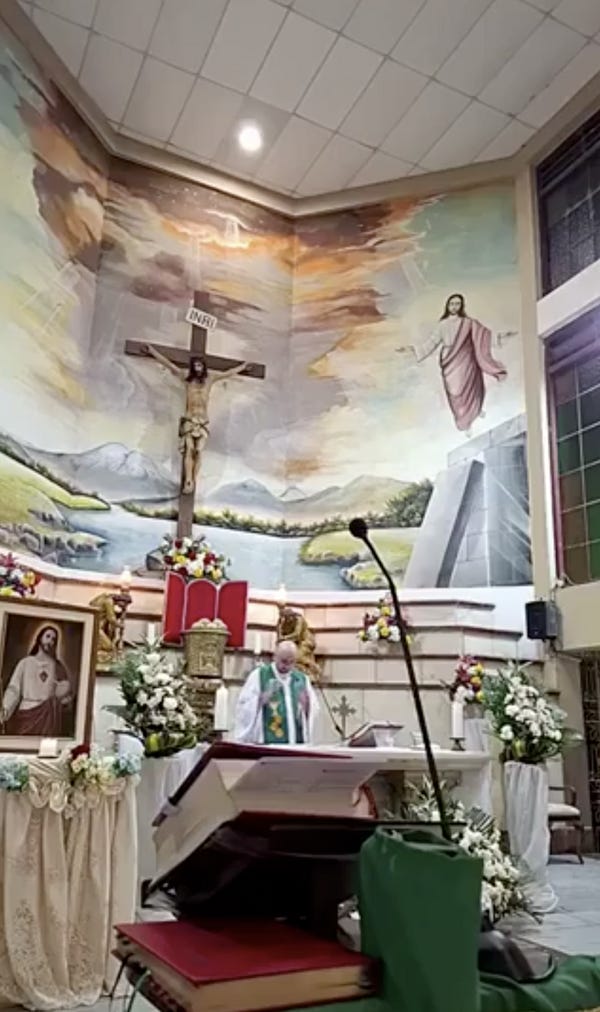
According to the Archdiocese of Guayaquil, the Church is awaiting the results of an examination by experts to determine the cause of the incident.
Cardinal Luis Gerardo Cabrera, archbishop of Guayaquil, told The Pillar that even when structural and architectural problems are identified in churches in the archdiocese, they can go unaddressed for years, due to a lack of resources.
“Technical studies undoubtedly go a long way toward helping us make the best decisions. However, administrative procedures complicate their implementation, partly because of the frequent turnover of personnel working in these institutions,” he said.
The Archdiocese of Guayaquil has a technical specialist who oversees ongoing construction projects, Cabrera said.
“However, we do not have anyone specifically responsible for our artistic heritage,” he continued. “The archdiocese’s main – and only – work of this kind is Guayaquil Cathedral, which is currently undergoing work in several areas, including structural, acoustic, electrical, and painting-related aspects.”
Historic buildings in Guayaquil are monitored by the National Institute of Cultural Heritage, known by its Spanish acronym, INPC. A number of these structures – including historic churches – have suffered from many years of humidity, seismic activity, and general deterioration.
A number of churches in the area were first constructed in the 16th or 17th century, but have been rebuilt after damage by fire or other natural deterioration.
Civil engineer Miguel Banda, who worked in the archdiocese’s technical department from 2007 to 2025, said parish priests are generally responsible for arranging maintenance and repairs for their churches.
“A few churches received assistance from the city government, including the cathedral, while others received support from the INPC. But many still need restoration work,” Banda told The Pillar.
He said that several churches, particularly in the city’s central district, have experienced structural problems over the past decade.
One example is the Church of Our Lady of Carmen, whose towers and exterior walls have been at serious risk since an earthquake in 2016. The church is still awaiting restoration. A previous mayor had promised to undertake the work, but the project was canceled when her term in office ended.
Banda said he had watched footage of the incident involving Father Sánchez and followed the press coverage, concluding that there were probably cracks at the crucifix’s anchoring points.
“Regretfully, the crucifix came loose from all three attachment points at the same time,” he said.
He recalled repairing a similar problem involving a crucifix’s mounting in another parish years ago.
Cardinal Cabrera called “all public and private institutions to join forces to preserve” the Church of Guayaquil’s “artistic and cultural heritage and prevent any tragic accident like the one we have experienced.”
He also reiterated that Sánchez’s death was an accident, and should not be viewed as a punishment from God.
“His death was not a punishment for any sin, nor was it a matter of mere chance,” the cardinal said.
“For Christians, faith in God is neither health or life insurance nor a good-luck charm.”