
Swiss Catholics out of doghouse over Eucharistic desecration
The diocese said three people who shared the Eucharist with their dogs “did not act with sacrilegious intent.”
A Swiss diocese has announced that three people who shared the Eucharist with their dogs have not been excommunicated because they “did not act with sacrilegious intent.”
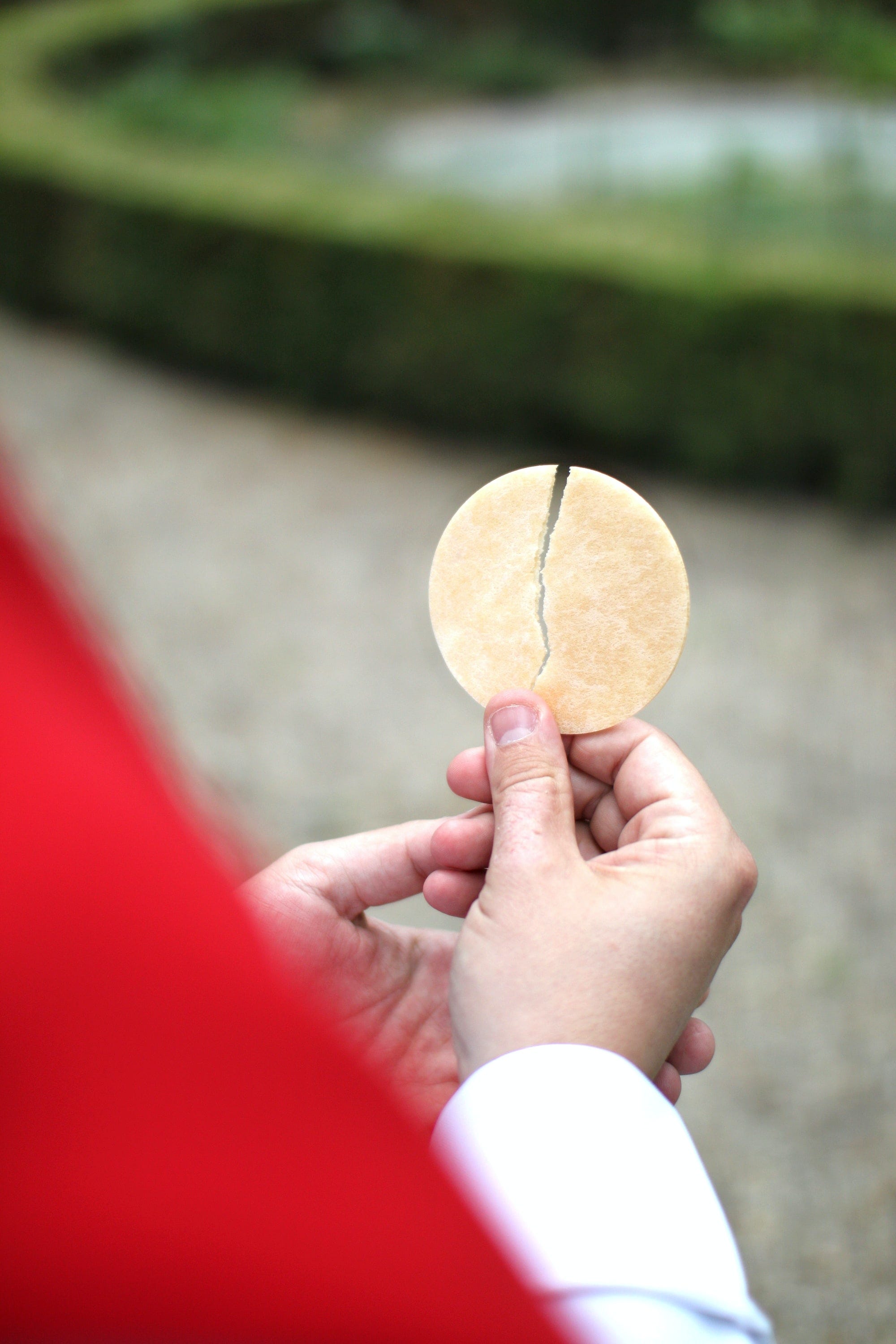
The Diocese of Chur announced in an April 17 statement that it had completed an investigation into an incident that took place at a blessing of the animals held last October 4, at Good Shepherd Parish in Zurich.
“Due to a poor weather forecast, the blessing was moved indoors and combined with a Eucharistic celebration. During this Eucharistic celebration, three people shared portions of their hosts with their dogs,” the diocese said.
Diocesan Bishop Joseph Bonnemain heard about the incident and began an investigation.
“The findings clearly showed that the three individuals did not act with sacrilegious intent. Consequently, these individuals cannot be accused of sacrilege, as they lacked this sacrilegious intent. Therefore, they did not incur the excommunication reserved to the Apostolic See as a penalty for their actions,” the diocese said.
Canon law states that “One who throws away the consecrated species or, for a sacrilegious purpose, takes them away or keeps them, incurs a latae sententiae excommunication reserved to the Apostolic See.”
At issue, according to the diocesan statement, is whether a person can commit sacrilege against the Eucharist without intending to do so.
According to the Canon Law Society of America’s canonical commentary: “The canon envisions three possible delictual situations: disrespectfully throwing away the sacred species (usually consecrated hosts) or scattering them in an inappropriate place, intentionally taking them from the tabernacle for sacrilegious purposes (e.g. satanic ritual), or keeping them for such obscene purposes although they were obtained legitimately (e.g. at a Eucharist).”
Chur’s bishop concluded that a delict, or canonical crime, could not have taken place without sacrilegious intent on the part of the Catholics involved.
Canon law establishes that Catholics who break a law can not be punished if they are “without fault, ignorant of violating the law or precept. However, “ignorance which is crass or supine or affected” does not remit the possibility of punishment.
The diocese called the incident “deeply regrettable” and said the bishop has arranged a retreat with the entire parish team to delve deeper into Pope Francis’s apostolic exhortation on the Eucharist, Desiderio desideravi.”
According to the local website SwissCath, a rosary of reparation was held Jan. 3 at the same church where the incident occurred. The rosary of reparation was initiated by local laypeople and drew about 40 participants.
Bishop Bonnemain, a priest of Opus Dei appointed by Pope Francis in 2021 to lead the Chur diocese, has seen a number of controversies in recent years.
He has faced pushback from diocesan priests after he issued a code of conduct that enjoined clergy to avoid “sweeping negative assessments of allegedly unbiblical behavior based on sexual orientation,” and refrain from asking “offensive questions about intimate life and relationship status” or about “previous marriages and divorces.”
More than 40 priests refused to sign the document, arguing that the norms would prevent them from teaching Catholic doctrine on sexuality, providing suitable marriage and ordination preparation, and asking questions appropriate to their role in sacramental confession.
Priests also criticized norms requiring them to “recognize sexual rights as human rights, especially the right to sexual self-determination.”
The bishop also faced a backlash after saying that he would not sanction priests blessing same-sex civil unions, and for his proposal (later withdrawn) that marriage between a man and woman should be given a new name, such as “bio-marriage,” to distinguish it from other kinds of unions.
The Diocese of Chur itself has also reliably produced news. In August 2022, a female parish leader recited prayers beside a priest during the Liturgy of the Eucharist at a Mass, prompting Bonnemain to open a preliminary canonical investigation and sign a joint episcopal letter on Jan. 5 this year calling for liturgical norms to be respected.
Last December, the diocese announced that new local legal regulations meant that Church employees would no longer be automatically dismissed if they did not agree with the Church’s doctrines and moral teachings.
In Switzerland, religious corporations are subject to public employment laws. Bishop Bonnemain was part of the negotiations over the new laws in the canton of Zurich, which covers the Diocese of Chur.
The new laws mean that the Church can no longer require its employees to accept Church teaching on sexual relationships as part of the criteria for employment.
The title of this article is perhaps not appropriate for the seriousness of its subject.
This makes me barking mad.