Switzerland ends exemptions to mandatory military service for clergy
A new law will end military service exemptions for clergy.
A new law in Switzerland that will end military service exemptions for clergy has drawn criticism from Christian groups in the country.
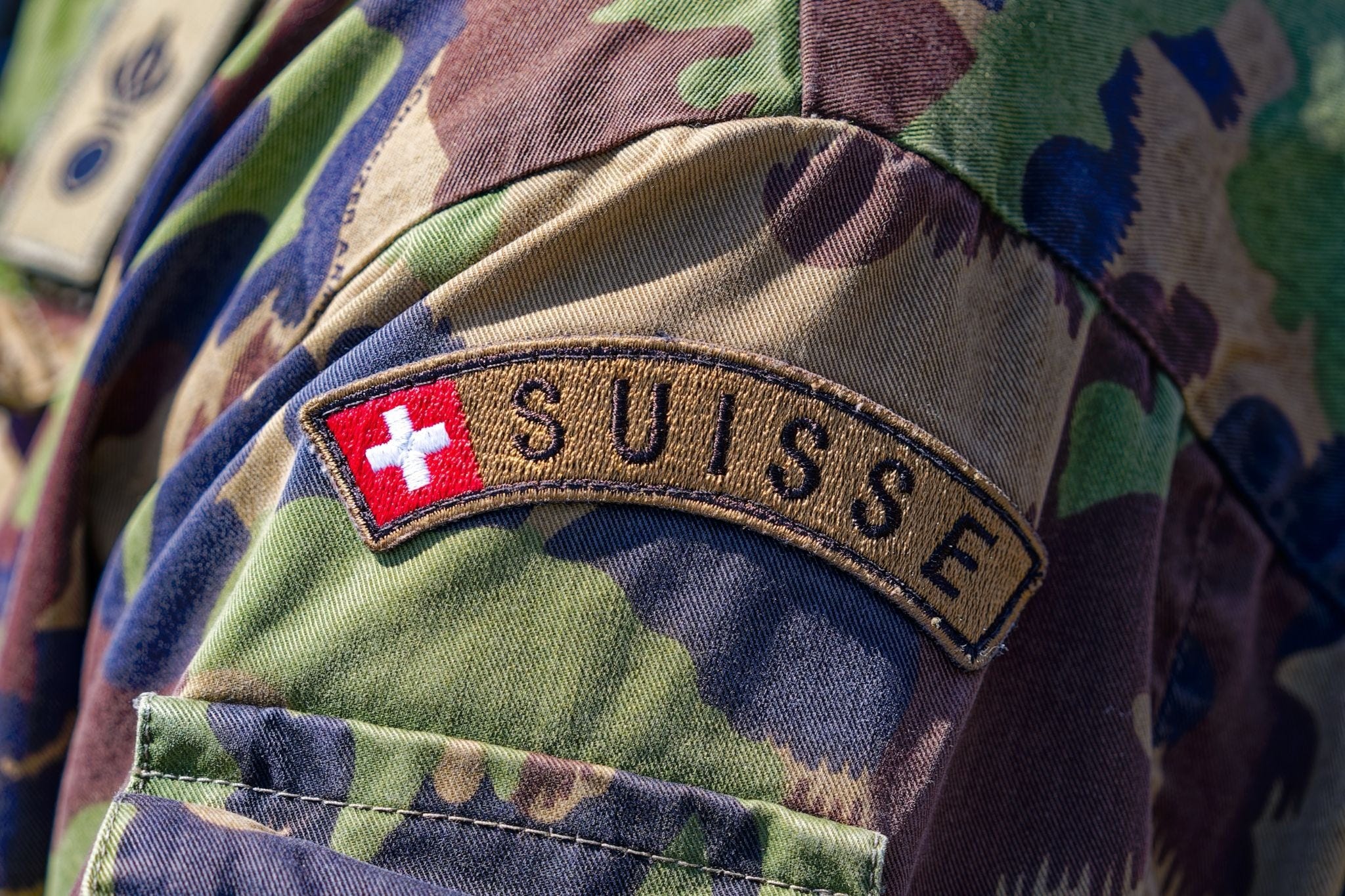
Switzerland requires all able-bodied men to complete about eight months of military service, typically between ages 18 and 30.
Members of the clergy have long been exempt from mandatory military service in the country, because they were designated as essential workers in the civilian population. But revisions to the nation’s military law, which took effect June 1, removed these exemptions for priests, monks, and members of religious orders.
The new regulation has prompted criticism from a variety of Christian leaders in the country, including Bishop Alain de Raemy, auxiliary bishop of Lugano and head of military chaplaincy for the Swiss bishops’ conference.
The bishop told public broadcaster RTS that the new legislation shows “a lack of respect for the population.”
The Association of Free Churches in Switzerland, a group of independent Protestant communities in the country, also decried the new regulation, saying there was no consultation process for the religious communities that would be affected by it, as is typically the custom when changes are made to Swiss law.
According to the association, the country’s Federal Council defended the change on the grounds that the ministry of clergy members is no longer essential in modern society.
The government said, according to the association’s statement, that the exemption from military service was originally intended to ensure that civilians would have access to spiritual care in times of conflict. But societal developments, and the number of people leaving organized religion, mean that such care can no longer be deemed essential.
Bishop de Raemy objected to the idea that religious ministry is not vital for society. He pointed to the Covid pandemic as an example of the need for spiritual care during times of uncertainty and crisis.
“How will we manage in times of war and future crises, if priests have to serve in the army? What is the Federal Council’s plan?” he told RTS.
RTS reported that nine members of the clergy have been called for service since the new law took effect last month.
It is not clear whether the new regulations will allow clergy called for military service to fulfill their legal obligation through military chaplaincy, or if they might be required to serve in combat roles.
In general, individuals with conscientious objections to military service may be permitted to take part in civilian service instead, but they must serve a longer period of time.
The Swiss bishops’ conference did not respond to questions from The Pillar by press time.
The majority of Swiss citizens are Christians, with 32% identifying as Catholic and 20% identifying as Evangelical-Reformed, according to government statistics.
However, people with no religious affiliation are becoming increasingly more common, up to 34% of the population, according to the most recently available data. Fifty years ago, just 1-2% of the population in Switzerland had no religious affiliation.
An exact number of priests in the country is not available, but estimates suggest there are around 1,800 priests serving the roughly 2.7 million Swiss Catholics.
For more than two centuries, Switzerland has maintained a policy of military neutrality. The country has not been involved in a foreign armed conflict since the late 1800s.


First of all, Switzerland is neutral and has not been involved in a conflict in about 200 years and it was a tiny little thing. It avoided active armed conflict in both World Wars – so the point about ‘Gosh, how would the populous receive spiritual care in time of conflict’ sounds pretty shrill to me.
Second, it is apparently 8 months of service. Gentlemen – man up and go learn how to do man things. Patriotism and protecting your country is, in fact, a virtue!
Third, the fact is that over the past 60 or 70 years the bishops of the Churches in Switzerland have presided over a debacle – the destruction of Catholicism in Switzerland. Only 9% - 11% of the Catholics attend Mass weekly. This certainly seems to align with the country’s Federal Council’s statement that clergy members are no longer essential in modern society.
And, lastly, for the Bishop to object to the Federal Council conclusion by pointing ‘to the Covid pandemic as an example of the need for spiritual care during times of uncertainty and crisis’ is simply laughable. Likely, the Federal Council used the behavior during Covid as their best piece of evidence.
Courage in the face of danger – marching to the sounds of the guns and being willing to face danger for a greater cause including to save others – is a VIRTUE. Everyone knows that – even if it is just deep down inside. And EVERYONE knows a coward when we see them. Maybe we pray that going to do military training can help the priests (no bishops that young!)