
The most famous bishop of Chiclayo now goes by the name of Pope Leo.
But Robert Prevost is not the only historically significant bishop from the Diocese of Chiclayo.
One bishop of Chiclayo set the foundation for what became one of the most renowned seminaries in Peru. Another was one of the first foreign priests to become a bishop in Peru. And still another Peruvian bishop who died within the diocese would go on to be canonized.
That’s a lot of history for a diocese that was only erected in 1956.
Saint Toribio of Mogrovejo was born in Spain in 1538. He became the second archbishop of Lima, which then covered all of Peru except the southern portion.
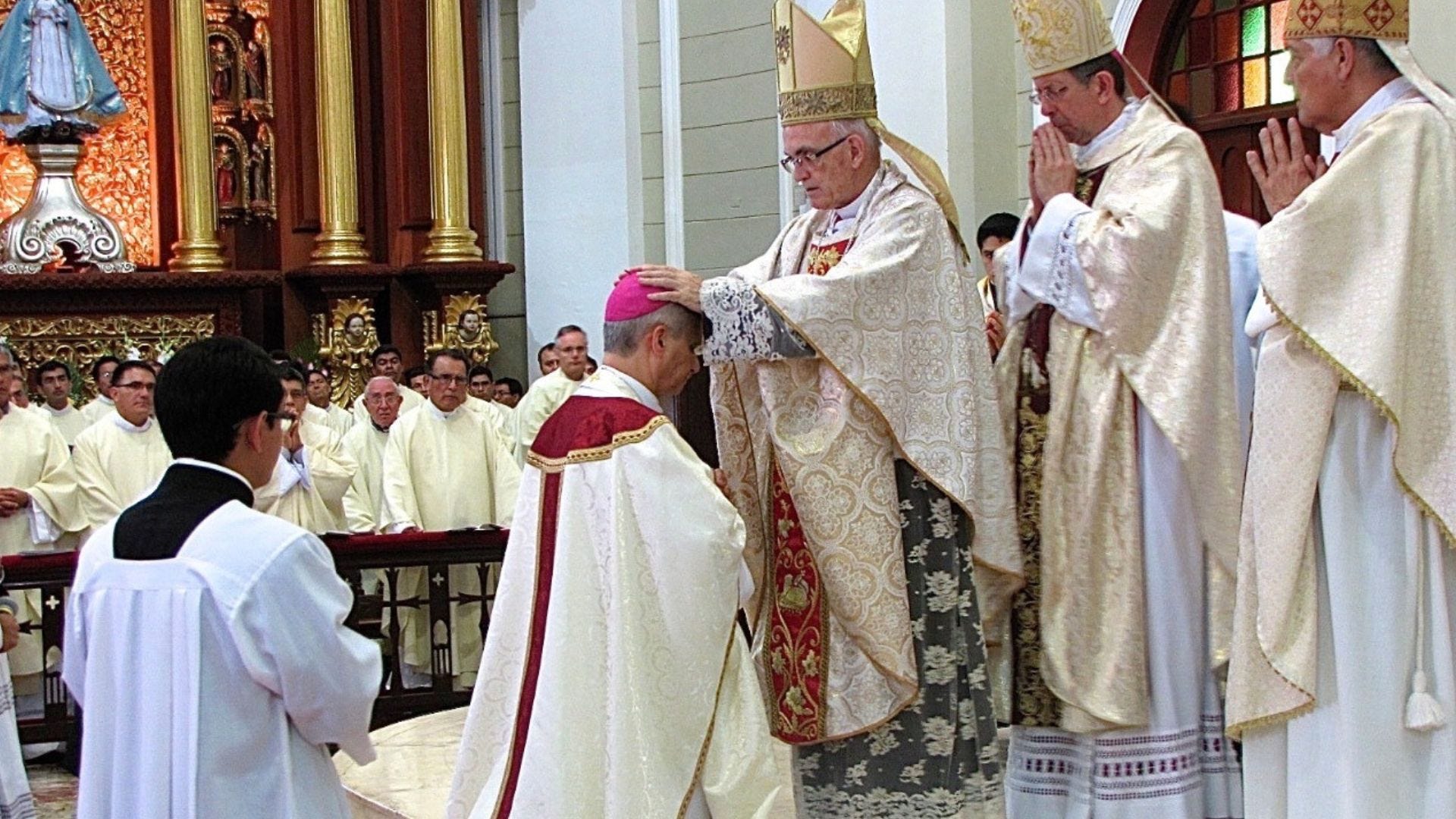
Toribio wasn’t even a priest when King Phillip II presented his name to the pope as a candidate for the young diocese, which had only been erected three decades earlier. Despite his initial resistance, he accepted the appointment, being ordained a priest in 1578 and ordained a bishop a year later.
And Saint Toribio rose to the occasion. He was already known for his piety and intellect as a layman but he became something much more extraordinary in Lima.
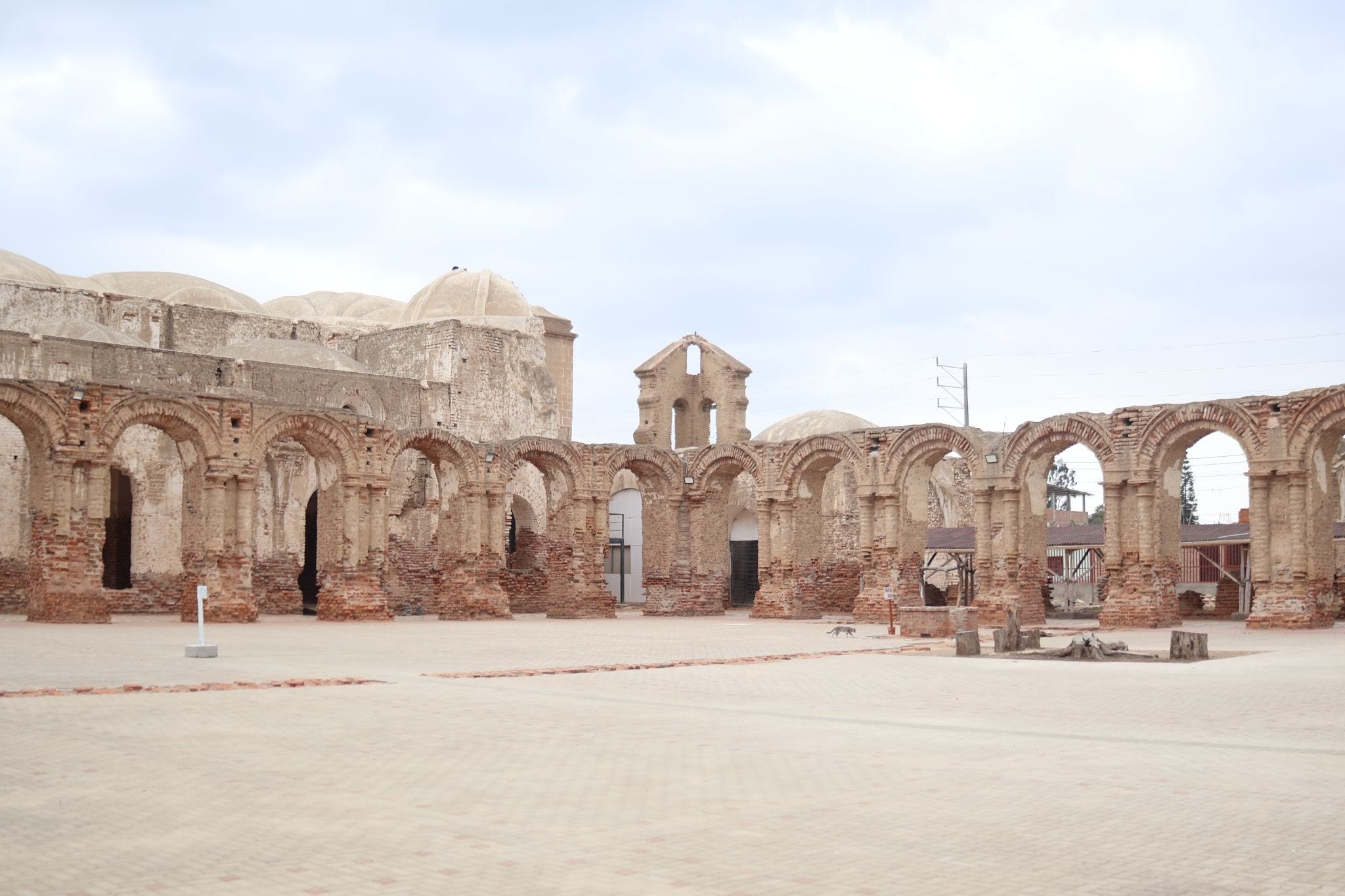
The diocese had been without a bishop for six years, and many conquistadores had taken advantage of the situation to commit abuses against their slaves and the natives, while priests were scared of correcting them, or excused themselves on the ground that the actions were “local custom.”
Toribio stepped in and became a defender of the natives, slaves, and the poor, proclaiming that “Christ is truth and not custom.” He was well known for his intense prayer life and work ethic, traveling across the vast territory of his diocese several times. He learned many indigenous languages to preach to the natives in their own tongue, and defended them against the abuses of some of the conquistadores.
Toribio convened the Third Lima Council, with bishops from all over the Americas. The council promoted preaching the Gospel in native languages, leading to the creation of a faculty of native languages at the University of San Marcos, the first in Peru.
He also founded the first seminary in the Americas in 1591, and the number of parishes in the diocese grew from 150 to 250 under his episcopacy.
Saint Toribio was already 65 years old in 1605, when he embarked on a two-year pastoral visit to several towns in his diocese on foot. He fell ill in a town called Pacasmayo, but decided to continue his path, reaching Zaña in agonizing pain.
The holy bishop died in Zaña – part of the present-day Diocese of Chiclayo – on March 23, 1606. His body was in the small town until his beatification, when it was moved to the Cathedral of Lima.
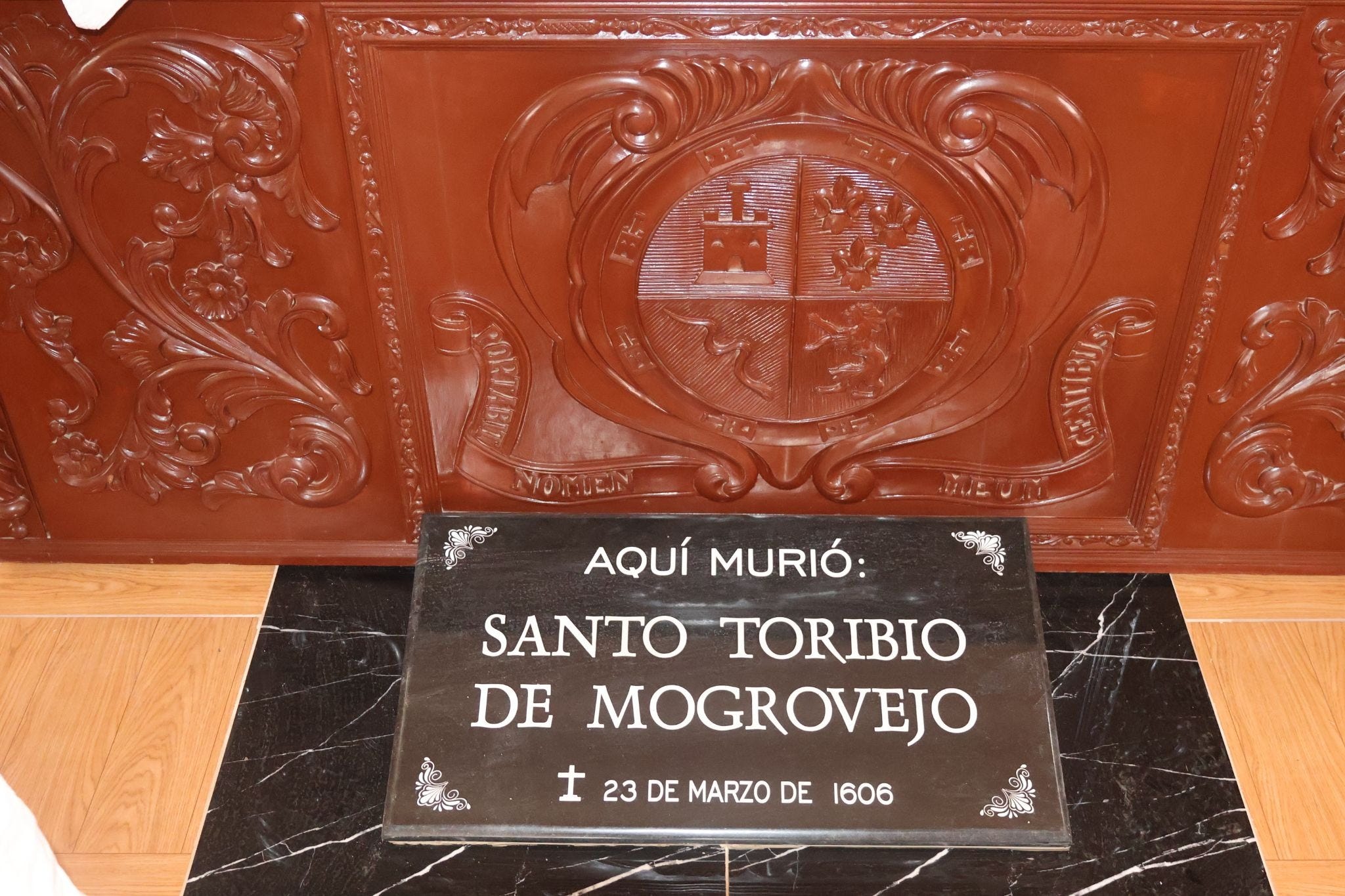
Pope Leo will visit the small sanctuary where Santo Toribio died to commemorate the 300-year anniversary of his canonization in 1726.
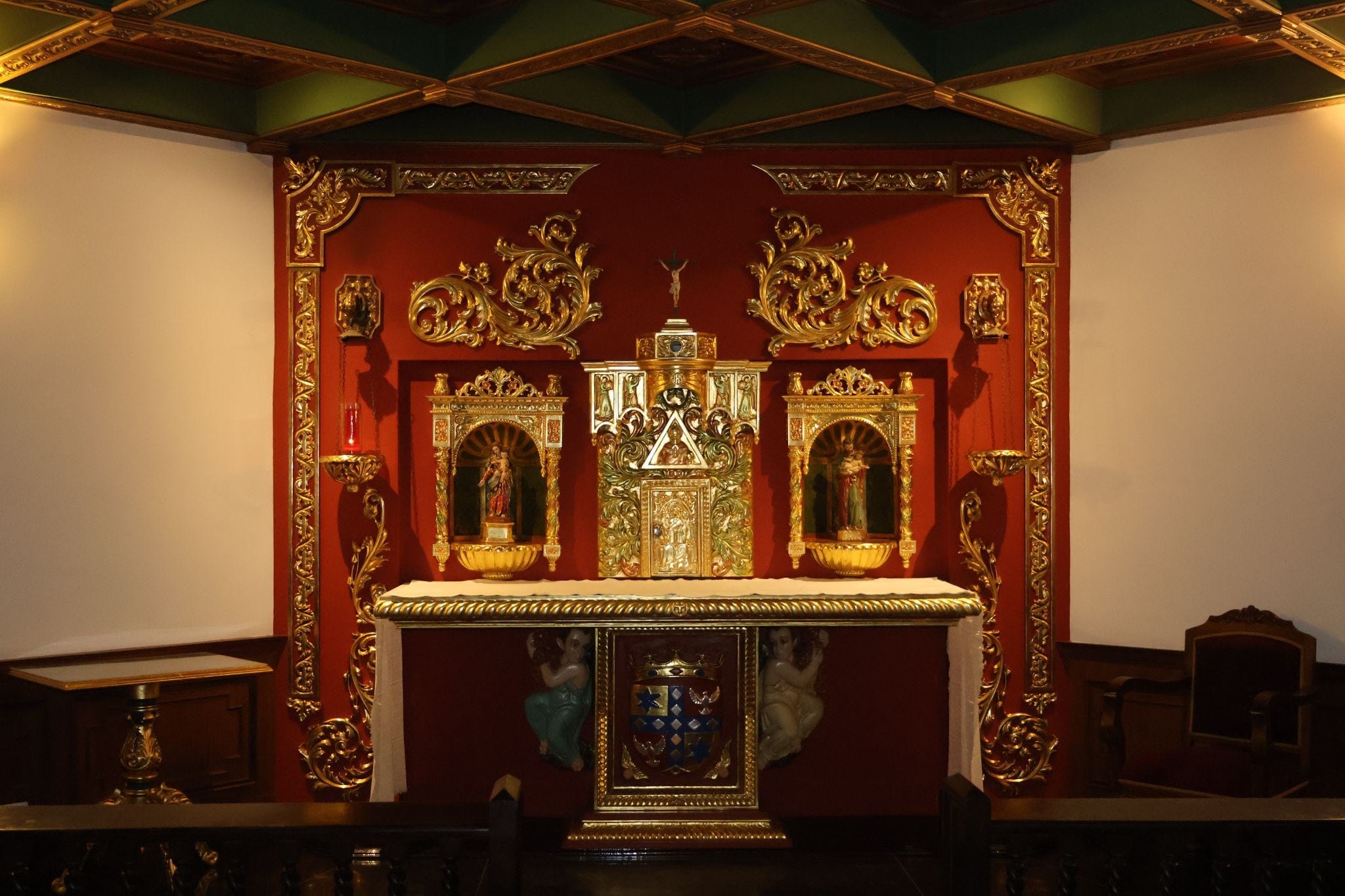
The Diocese of Chiclayo was only erected some 350 years after Saint Toribio’s death, in 1956. The first bishop of the new diocese was Bishop Daniel Figueroa, who spent 10 years as bishop before dying suddenly in 1967 at age 64.
While 10 years might not seem like a long time in a nascent diocese, Figueroa erected several new parishes and also started a seminary of philosophy, so local seminarians could do at least part of their studies in their own diocese.
The work would be completed under Figueroa’s successor, Bishop Ignacio Obergozo, who went on to serve as Chiclayo’s bishop for 30 years.
Obergozo had a strong character and publicly claimed that his “bad temper” was his biggest spiritual struggle. Still, priests in Chiclayo do not hesitate to call him a “santo varón,” a common Spanish descriptor of St. Joseph, signifying a man who has been able to live his masculinity as a path to holiness.
Obergozo and Figueroa built the foundations of the Chiclayo diocese, said Fr. Antero Céspedes, rector of the sanctuary.
“They came here when there were few priests, and they immediately worried about their formation, about vocations, about building a seminary, also a Catholic university, about promoting vocations among young men,” Céspedes told The Pillar. “Pope Leo speaks of his ‘dear diocese of Chiclayo,’ but they’re the living proof that the diocese also has a history, men who came before and made it what it is today.”
Bishop Jesús Moliné, who served as bishop of Chiclayo from 1998 to 2014, praised both Figueroa and Obergozo.
Moliné told The Pillar that Figueroa was a “holy bishop” and that Obergozo, a member of Opus Dei, mastered the art of “hiding and disappearing” in his work, something Saint Josemaría Escrivá, the founder of Opus Dei, preached on often.
“Despite being the bishop for 30 years, he worked in silence. Many people didn’t know him, but they knew his vicars, his priests, his curia, because he trusted them and worked through them. His priests loved him and he was very close to them, and he was a major support for several lay movements, such as the ‘Cursillos’, the Charismatic Renewal, and the Christian movement for families,” Moliné added.
Obergozo died in 1998, two months after turning 75 and just a year after Moliné had been appointed his coadjutor.
Both Obergozo and Figueroa are buried in the Sanctuary of Nuestra Señora de la Paz, which Pope Leo will also visit in Chiclayo – and where he was supposed to be buried after his death, had he not become pope.
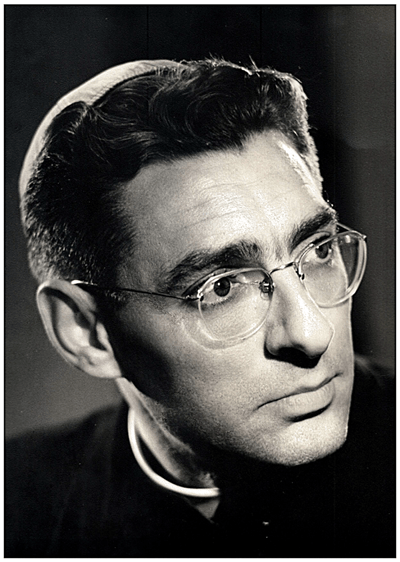
Moliné was ordained in Zaragoza, Spain in 1965 and is a member of the Society of the Holy Cross, a priestly society for diocesan priests linked to Opus Dei. After working in Zaragoza for eight years, his bishop encouraged priests from the diocese to go to Latin America as missionaries encouraged by Saint John XXIII’s call.
“I was finishing my canon law thesis and a friend told me there was the opportunity to work as a professor in the University of Piura, so I taught there and also worked for the diocese, as parish priest, as judge in the diocesan tribunal, and as rector of the seminary,” Moliné said.
He told The Pillar that his first encounter with then-Fr. Robert Prevost occurred during this time.
“Our diocesan tribunal depended on the Archdiocese of Trujillo, and Fr. Prevost was the judicial vicar of the diocese, so we met several times discussing cases of marriage annulments.”
Asked if he thought back then that Fr. Prevost was a good canonist, Moliné responded with a laugh.
“Certainly, yes. Things moved a bit slow, which was normal back then, because we were so few with so many cases. But he’s shown to be a good canonist now, too.”
Altogether, Obergozo and Moliné led the diocese for 45 years, and oversaw a period of intense growth. They finished building the seminary, which at its biggest point had almost 90 seminarians, and a Catholic university. They saw the diocese’s population grow from 400,000 to more than 1 million, while the number of parishes nearly doubled.
While Moliné is admittedly laconic when asked about his period as Bishop of Chiclayo, many in the diocese credit him with further developing Chiclayo’s diocesan seminary into one of the best in Peru, where many other dioceses and jurisdictions in Peru sent their priests for studies.
In fact, two active Peruvian bishops, Bishop Marco Cortez of Tacna and Moquegua, and Bishop Héctor Vera of Ica were formed in the Diocese of Chiclayo.
Later, Moliné and Prevost would meet again when Prevost was first appointed apostolic administrator of Chiclayo in 2014. Moliné took him to the Sanctuary of Our Lady of Peace to show him the tombs of their predecessors.
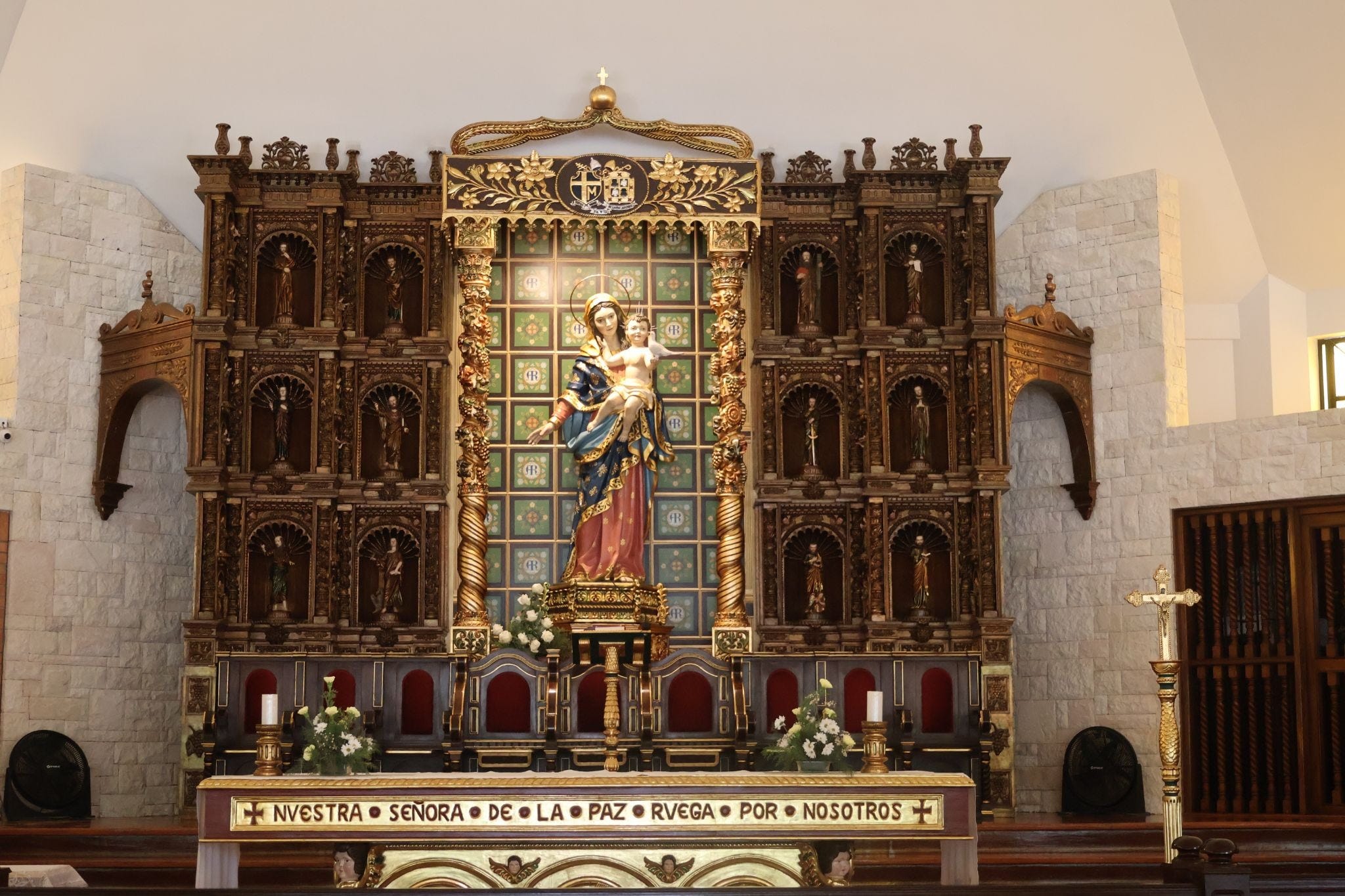
“He likes the sanctuary a lot and has shown deep devotion to Our Lady,” Moliné said.
He added that Prevost had “a special gift to win people over.”
“With how much people love him, you’d imagine he was the Bishop of Chiclayo longer, but he was here [only] eight years. He traveled tirelessly throughout the diocese, and he brought his own style, but growing, evolving from what came before. He didn’t come to cut the tree that grew from the seeds planted by Bishop Obergozo and Bishop Figueroa,” he added.
Moliné said that he thought Prevost was a papabile before the world press started noticing him.
“The media is always saying that we need the pope that’s a liberal, or a pope that’s conservative, or a pope that talks of the poor,” Moliné said. “We always need a pope who’s a good pastor, who’s holy, who’s virtuous, and I saw these qualities in him.”
Asked if he’s been surprised by anything in Leo’s short pontificate so far, Moliné commented on the forcefulness of his preaching, his insistence on unity, and the ease with which the pope shows emotion.
“His insistence on union and communion is much needed, but I’ve been surprised by how much he insists on it. And you see it with his appointment, he’s not following a specific line, he’s choosing people, incorporating people with different sensibilities in his team,” he said.
“He’s also preaching with so much strength, with so much clarity. I’m not saying he didn’t as a bishop, but it’s been surprising because he always controlled himself, he was a bit laconic, a bit sober in public. Now, he shows more emotion, he’s more forceful.”