Vatican releases consistory schedule, confidentiality note
Remarks from Pope Leo will be broadcast live, while much of the discussion will be confidential.
The Vatican has published the schedule for the upcoming extraordinary consistory, as well as a note on the confidentiality of the gathering.
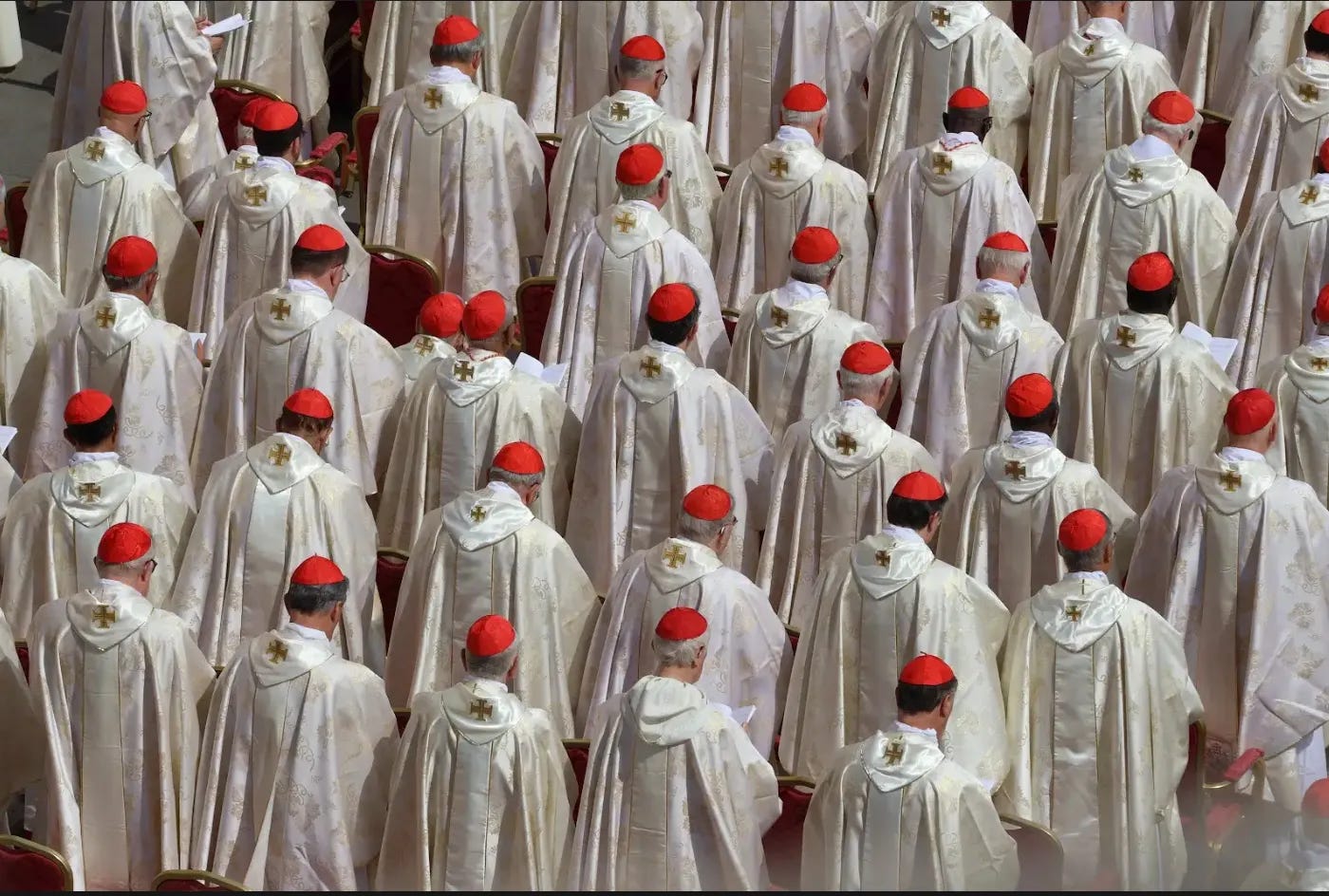
A June 22 statement from the Vatican outlined the detailed structure of the June 26-27 consistory.
The Holy See Press Office also released a note confirming that cardinals attending the meeting have been asked to maintain strict confidentiality and refrain from speaking to the media during the meeting, in order to “maintain a climate of fraternal dialogue.”
The note said that journalists will not be allowed inside the Paul VI Hall during the sessions. But the Vatican also announced that it will take the unusual step of broadcasting the pope’s introductory and concluding remarks live. Additionally, each session will begin with a meditation by a cardinal, which will also be released to the press after each session ends, along with a summary of the discussion.
During the first extraordinary consistory of Leo’s pontificate, the pope’s speeches were made public only after they had been delivered. The meditations that preceded the discussions on synodality and evangelization, as well as two meditations on topics that were ultimately not discussed – the liturgy and the reform of the curia – were not officially published, but were later leaked to the press.
This consistory will follow the same methodology as January’s consistory. Instead of following the traditional structure used by most recent popes, in which consistories functioned as an open forum where cardinals could address the entire College of Cardinals, the cardinals will be divided into smaller groups for most of the consistory, following the “conversation in the Spirit” methodology used during the Synod on Synodality.
Nine of these smaller groups will be composed of cardinal electors serving as ordinaries, including retired ones, and 11 groups will consist of curial cardinals and non-electors.
Each group will have a chairman to moderate the discussion, and a secretary, who will collect contributions and draft a final report on the discussions in the group.
After a 10-minute introduction on the topic of each session, each cardinal in the group will be allowed to make a three-minute intervention on the topic. Then, there will be a second round of two-minute interventions to discuss the proposals that were introduced in the first round, and the cardinals will afterwards draft the report with the secretary.
At the end of each session, the groups of cardinals serving as diocesan ordinaries will each present a three-minute report, while only some of the groups composed of curial cardinals and cardinals over voting age will present their conclusions after the sessions.
Each of the three first sessions will begin with a biblical meditation. The first session on June 26 will open with a meditation by Cardinal Grzegorz Ryś, archbishop of Krakow, entitled “In what world are we called to proclaim the Gospel?”
During the first session the cardinals will discuss two questions: “What sufferings, tensions and questions are most forcefully affecting the peoples and ecclesial communities entrusted to your care today?” and “What signs of hope, of fidelity to the Gospel, and of possible reconciliation are important to bring to common listening?”
The second session on June 26 will focus on “The culture of power and the civilisation of love,” with an introduction by Cardinal Víctor Manuel Fernández, prefect of the Dicastery for the Doctrine of the Faith, on paragraphs 182-192 of Chapter V of Magnifica humanitas.
The cardinals will be asked to discuss two questions: “How do the tensions, divisions and conflicts that are sweeping across the world today affect the life of our Churches and our peoples?” and “What languages, attitudes and practices can help build reconciliation, coexistence and peace?”
June 27 will begin with Holy Mass at 7:30 a.m. presided by Cardinal Giovanni Battista Re, dean of the College of Cardinals. Afterwards, the third session will start with an introduction by Cardinal Stephen Brislin, Archbishop of Johannesburg, called “Building for Good: The Construction Sites of Our Time” based on the introduction and conclusion of Magnifica humanitas.
During the session, the cardinals will consider three questions: 1) “What are the divisions in your contexts today that make it more difficult to build the common good?” 2) “What expectations and questions are emerging from the people and communities that the Church is called to listen to—and to whom we may not be listening enough?” 3) “What forms of support, guidance, or initiatives from the local Churches and the universal Church could most effectively support the effort to build the common good?”
The final session will be different. It will start with an introduction by Cardinal Mario Grech on the 2027-2028 Synodal Assemblies, followed by a period of open Q&A by the cardinals, after which cardinals will be able to provide three-minute free interventions to the College of Cardinals, before Pope Leo’s final address.
Afterward, the cardinals will sing the Te Deum and dine with Pope Leo in the Paul VI Hall. The consistory will officially close two days later, on June 29, with Mass for the Solemnity of Saints Peter and Paul, during which new metropolitan archbishops receive the pallium.

