
As Magnifica humanitas illustrates with its more than 42,000 words in English, popes today love to write long encyclicals.
Our late Holy Father, Francis, also surpassed 40,000 words twice, in Laudato Si’ and Fratelli tutti.
St. John Paul II still holds the record, though, with Evangelium vitae. It rang in at well over 48,000 words, inclusive of its 142 footnotes.
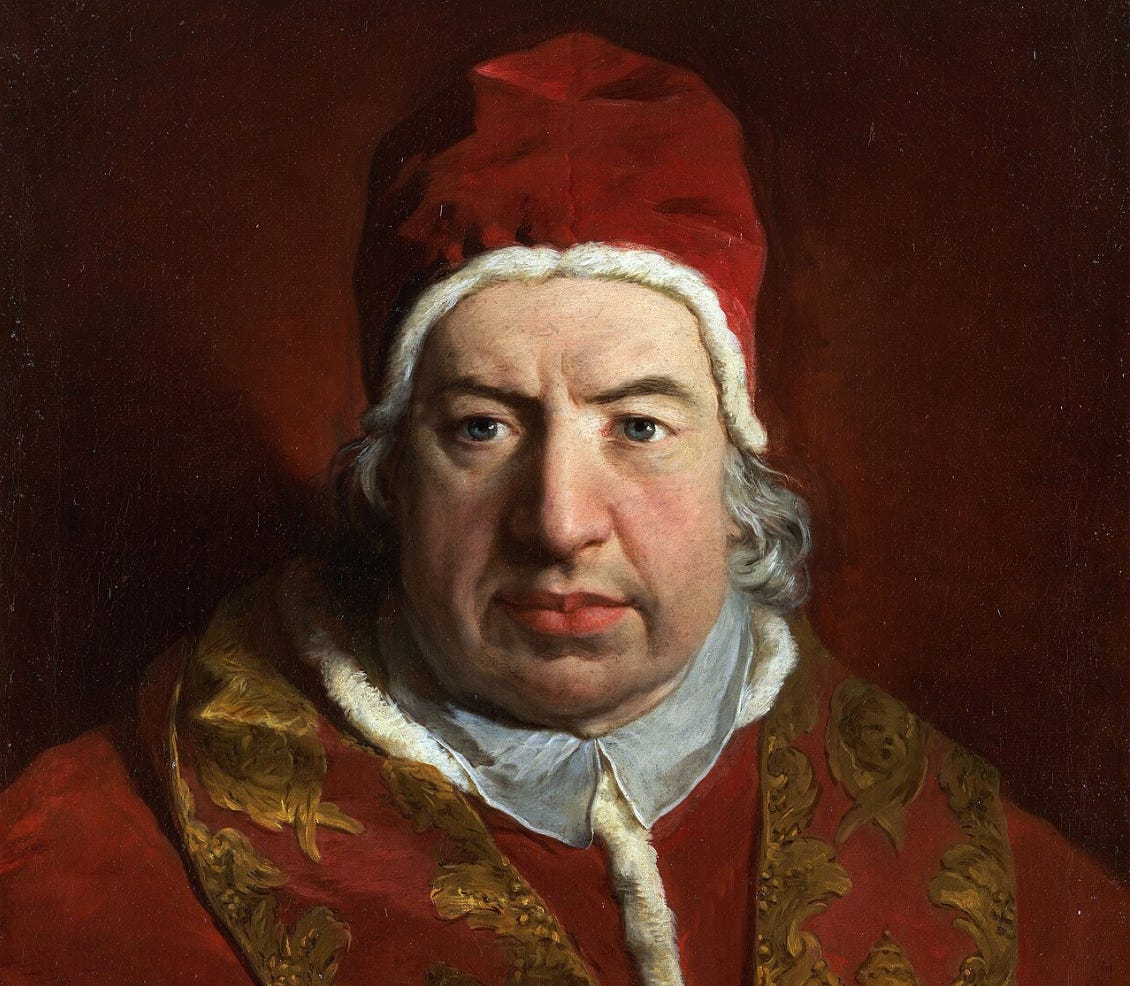
Traditionally, encyclicals were much shorter than this, because they started out in the 18th century as litterae encyclicae—literally “circular letters” to be shared with various individuals and groups. Similar to encyclicals or circulars used by lay authors in diverse secular contexts, they were typically addressed to particular categories of readers, such as the bishops of a specific kingdom, not to the whole Church as is customary today.
Older encyclicals certainly varied in length, depending on their purpose and audience. But even some of the well-studied, longer ones of the late 19th and early 20th centuries look modest alongside the book-length ones of today. Leo XIII’s Rerum novarum is just shy of 14,800 words in Latin. Pius X’s Pacendi domini gregis, despite condemning innumerable Modernist errors, is the same length.
Although it seems unimaginable today, popes of the past regularly produced encyclicals that were in the range of 500 to 1,500 words.
But what were such business-like encyclicals about, and to whom were they addressed?
Let’s take a look.