Tulsa deacon pleads guilty to stealing $1.4 million from parish
"I used the funds to advance what I believed to be certain potential romantic interests online..."
A 70-year-old deacon in Tulsa pleaded guilty last week to bank fraud and unlawful monetary transactions, after stealing nearly $1.5 million while working at a local Catholic parish.
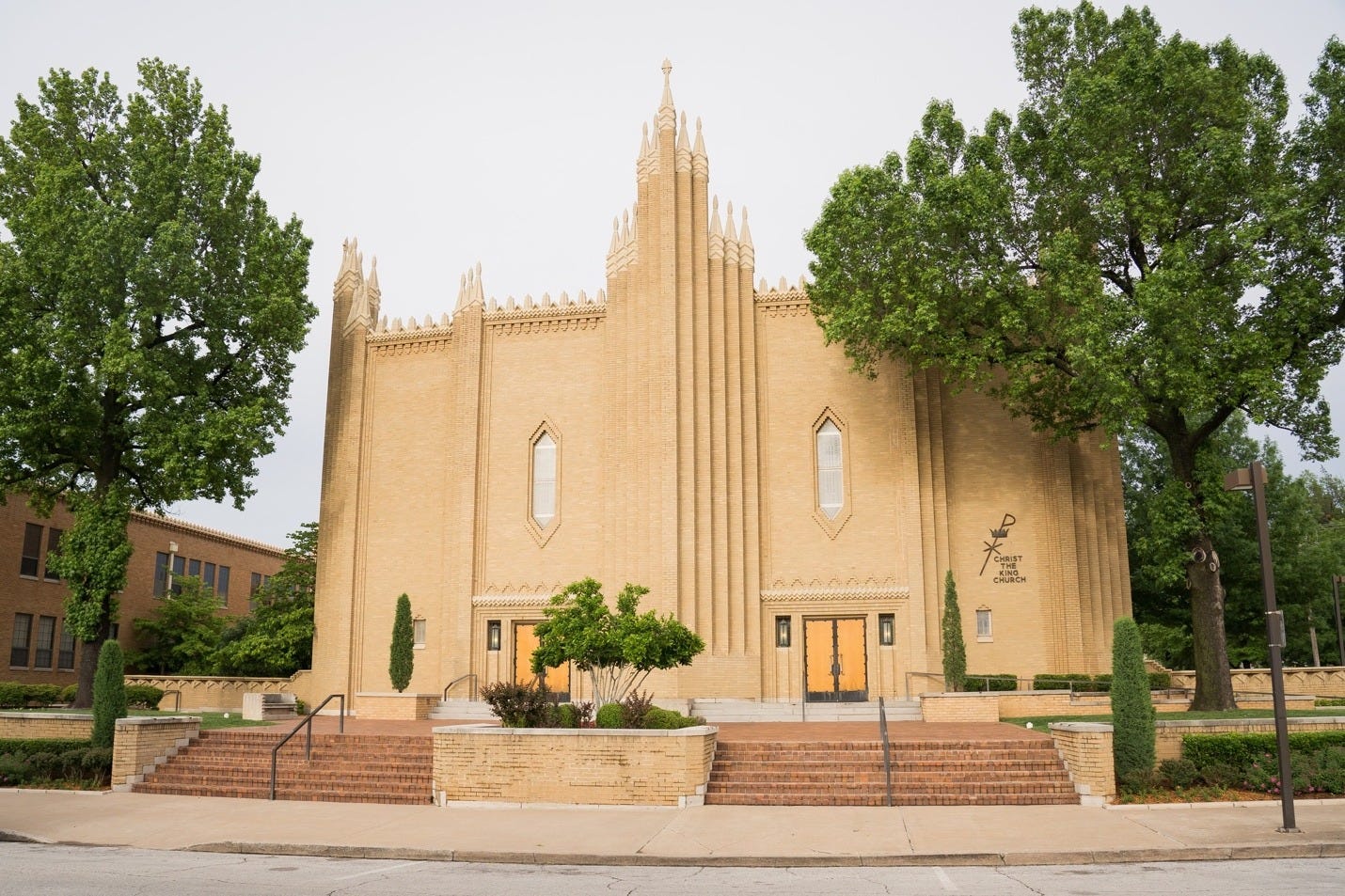
Deacon John Sommer, the former business manager and parish manager of Christ the King Parish, accepted a plea deal with federal prosecutors on May 13.
Sommer acknowledged that from March to October 2025, he stole more than $1.4 million, through more than 70 unauthorized ACH transfers from Christ the King to his own accounts.
“I used the funds to advance what I believed to be certain potential romantic interests online and also fund what I believed to be investment opportunities in purported cryptocurrency-based ventures,” he said in the plea agreement.
“To conceal my embezzlement efforts, I made sure to keep all unauthorized ACH transfers under the $30,000 approval limit. I also altered the Church’s accounting records to make it appear as if transfers were made to legitimate vendors, including to the Church’s third-party payroll and retirement service providers.”
Sommer faces up to 30 years in prison and a fine of up to $1 million or twice the loss caused by his actions. A sentencing hearing is expected in the case in the coming months.
In a press release this week, the Diocese of Tulsa said leaders at Christ the King discovered “a significant financial inconsistency” in parish accounts last October and immediately investigated the matter.
A forensic audit then uncovered the unauthorized transfers, which were passed on to law enforcement, the diocese said.
Sommer was removed from his position at the parish and placed on a leave of ministry as a deacon when the missing funds were discovered last October.
In its press release, the diocese said the embezzlement “did not impact capital campaigns, parish endowments, or investment accounts.”
“Additionally, $1M of the unauthorized transfers were recovered through insurance, and a plan is in place for the parish to recover the remaining funds.”
As part of Sommer’s plea agreement, the deacon is responsible for reimbursing the $1 million paid by the insurance company, and for paying the remaining $466,916.75 in restitution to the diocese.
The Diocese of Tulsa did not have a comment in response to questions from The Pillar about whether any policy changes are being implemented to help prevent the possibility of similar theft in the future.
But retired IRS investigator Robert Warren told The Pillar that the case “highlights the need to institute robust internal controls.”
Warren, who is a forensic accountant and associate professor of accounting at Radford University, noted that Sommer was authorized to initiate ACH transactions up to $30,000 per day without any outside approval.
“Deacon Sommer was a trusted, high-level employee with almost carte blanche authority over the finances,” he said. “However, the parish should have separated the authorization, accounting, and custody functions of the accounting system.”
“Deacon Sommer’s authorization should have been for a much lower amount, perhaps $5,000 per day or week,” Warren said.
In addition, he said, Sommer should not have been the person responsible for handling the accounting of his own transactions.
“[A]nother person outside of Deacon Sommer’s control should have verified receipt of the goods or services supposedly received before payment,” he continued.
The situation at Christ the King is far from unique, Warren said, as many parishes across the country lack the necessary internal controls to prevent theft.
“This case is just one of a steady drumbeat of parish fraud cases,” Warren commented.
“Until parishes get serious about internal controls, these frauds will keep occurring.”
He added that he does see some “glimmers of hope.”
“First, the Church is not sweeping embezzlement cases under the rug. If they find evidence of fraud, they are ‘following the money’ right to the door of law enforcement,” he said.
“Second, parishes carry insurance against employee thefts, so parishes are being reimbursed for at least some of the loss.”


19th century financial controls and segregation of duties actually prevent this, believe it or not.
If he served in Oklahoma City, he would likely have a presidential pardon by now 🤦♂️