Germany sees increase in adult baptisms amid overall baptism decline
The increase in adult baptisms is not enough to offset the rise in Church 'exits.'
Adult baptisms in Germany rose significantly last year, while overall baptism numbers dropped, the German bishops’ conference said this month.
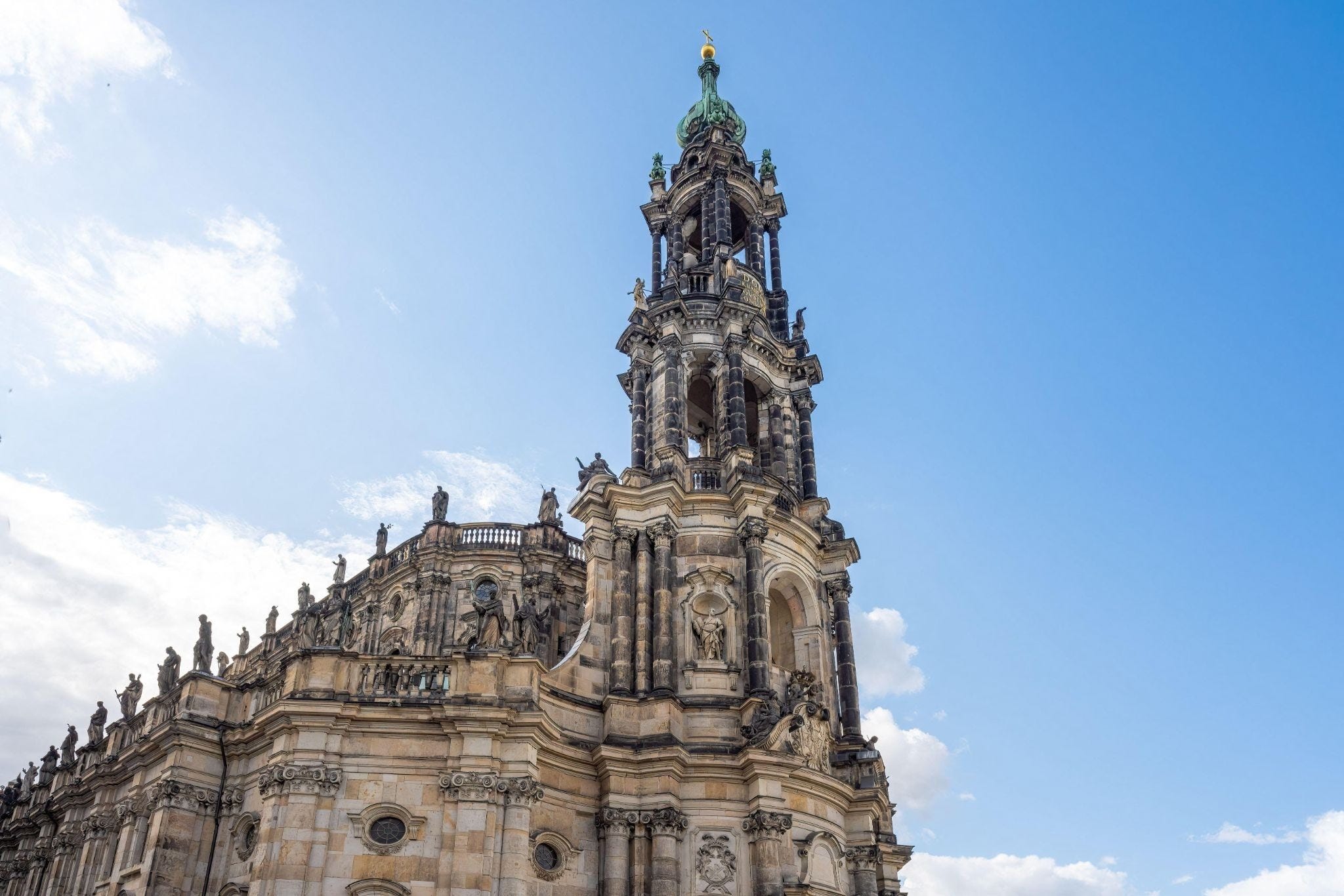
There were 2,650 adults and young adults baptized in Germany in 2025, according to statistics released last week by the German bishops’ conference.
This represents a 28% increase from the previous year.
While adult baptisms were high, they did not reach the record levels of 2017, when 3,376 adults were baptized in Germany.
Overall, the bishops’ conference said, there were 109,002 baptisms in 2025, down from 116,274 in 2024.
The surge in adult baptisms is not limited to Germany.
Austria, Canada, and parts of the U.S. have also reported a rise in adult baptisms in recent years.
Despite the increase in adult baptisms, the Church in Germany has seen significant decline in recent years due to a high level of Church “exits.”
More than 300,000 people formally left the Church in Germany last year - a process that involves booking an appointment at a local registry office or court, providing official documents, and paying a fee of $33-$66.
While formal de-registration levels are high, they have been decreasing from previous years.
According to official statistics, 307,117 people formally disaffiliated themselves from the Catholic Church in Germany in 2025, down from 321,659 in 2024, 402,694 in 2023, and 522,821 in 2022.
The total number of Catholics in Germany currently sits at about 19.2 million, a decline of 549,636 from the previous year.
Despite the decline in registered members, Germany’s 27 dioceses received a year-on-year increase in church tax revenue in 2025, possibly due to rising taxable incomes among remaining registered Catholics, combined with the country’s progressive taxation system.
The German bishops’ conference said the Church in the country received 6.751 billion euros (around $7.72 billion) via the church tax system in 2025, up from 6.628 billion ($7.58 billion) in 2024 and 6.515 billion ($7.45 billion) in 2023.
Meanwhile, the percentage of German Catholics who attend Mass has risen for the last four years. In 2025, some 6.8% of Catholics in Germany attended Mass, an increase from recent years, but still below pre-pandemic levels, when about 9-10% of Catholics in Germany attended Mass.
Germany is also seeing an uptick in priestly ordinations this year, with 30 new priests being ordained, compared to 25 last year. Ordination levels are significantly below where they were a decade ago in the country, when more than 50 priests were regularly ordained each year.
There has been significant tension in recent years between the Vatican and the leaders of the Church in Germany.
In 2019, the German bishops and the lay Central Committee of German Catholics launched a “synodal way” initiative intended to introduce sweeping changes to Catholic teaching and practice in the wake of a harrowing clerical abuse scandal.
Organizers of the initiative have ignored numerous Vatican attempts to intervene in the process. The Vatican has emphasized that the synodal body has no power “to compel the bishops and the faithful to adopt new ways of governance and new approaches to doctrine and morals.”
The Vatican and the German bishops averted a major showdown by launching a series of talks that resulted, in 2024, with a concession from the bishops that no permanent synodal body would be established without Rome’s approval.

